CAM Third Space and Sacred Seeing
by Bruce Petrie Jr., Board of Trustees Chair, Cincinnati Art Museum
11/12/2026
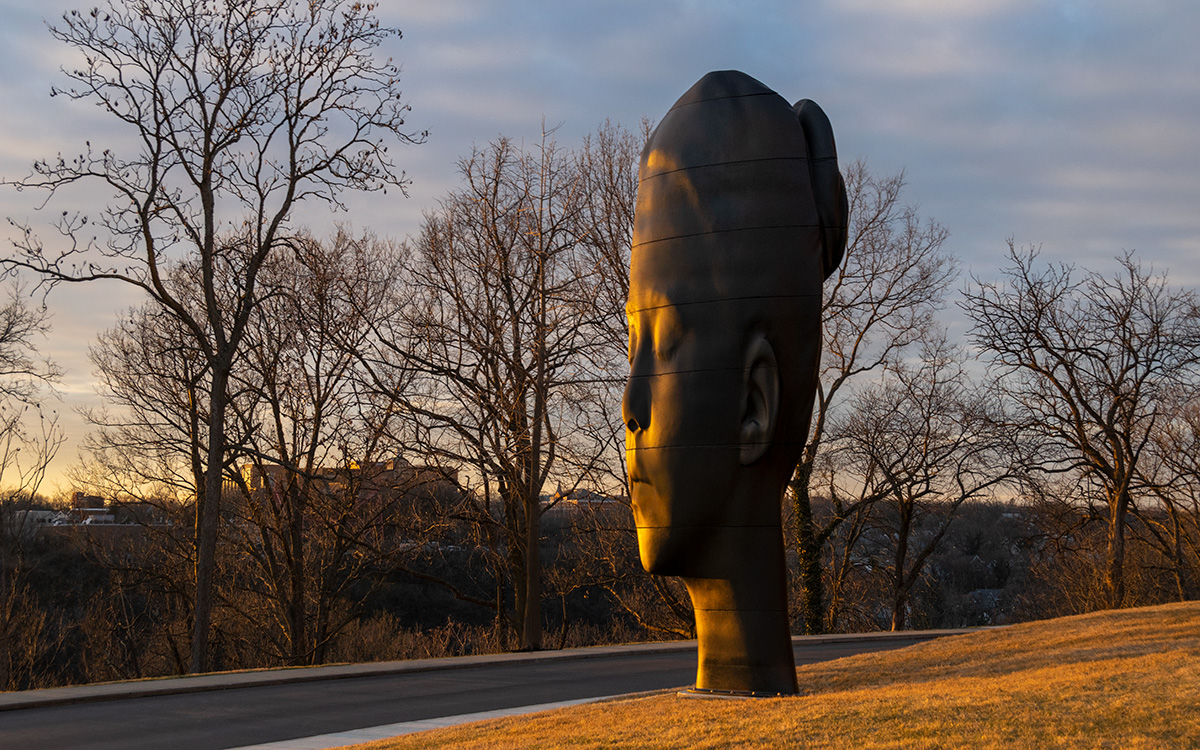
Jaume Plensa (Spanish, b. 1955), Isabella, 2014, cast iron, Gift of Craig and Anne Maier, 2021.82
Photo: Artist Jaume Plensa captured a contemplative expression on Isabella, a peaceful figure watching over our city from the museum’s hilltop campus, even as the eyes are meditatively closed.
When I ask people why do you go to the art museum, time and time again they say, “It’s my third space.” I’m ready to call it another sign of the renaissance of here and now. Third Spaces —neither workplaces nor “have to go” places—are voluntary experiential and enjoyable choices of respite, reflection, hope, and happiness. (Free entry admission helps, right?) It’s not that First and Second Spaces don’t have such qualities too. It’s just that a Third Space Art Museum has a mission of connecting people using the power of art. You belong here.
There’s another quality people are saying about Third Space Art Museums. They often convey, within the aesthetic collection of works, a sacred quality. Of course, you can try but can’t fully measure “sacred” with a data-machine-robot-nonhuman-analytic. Sacred is felt within the non-machine soul.
Recall that civil protection and promotion of free-sacred was set in writing in America in the Bill of Rights of 1791, a (first!) freedom that our Constitution calls free exercise of religion, including freedom of conscience, inquiry, belief or non-belief, expression, speech, art—no establishment of a compelled constitutional theocracy. America’s first freedom has, over centuries, yielded a robust and necessary pluralism of sacred traditions in 340-plus million people. Imagine what America would look like without free exercise of the sacred in our lives?
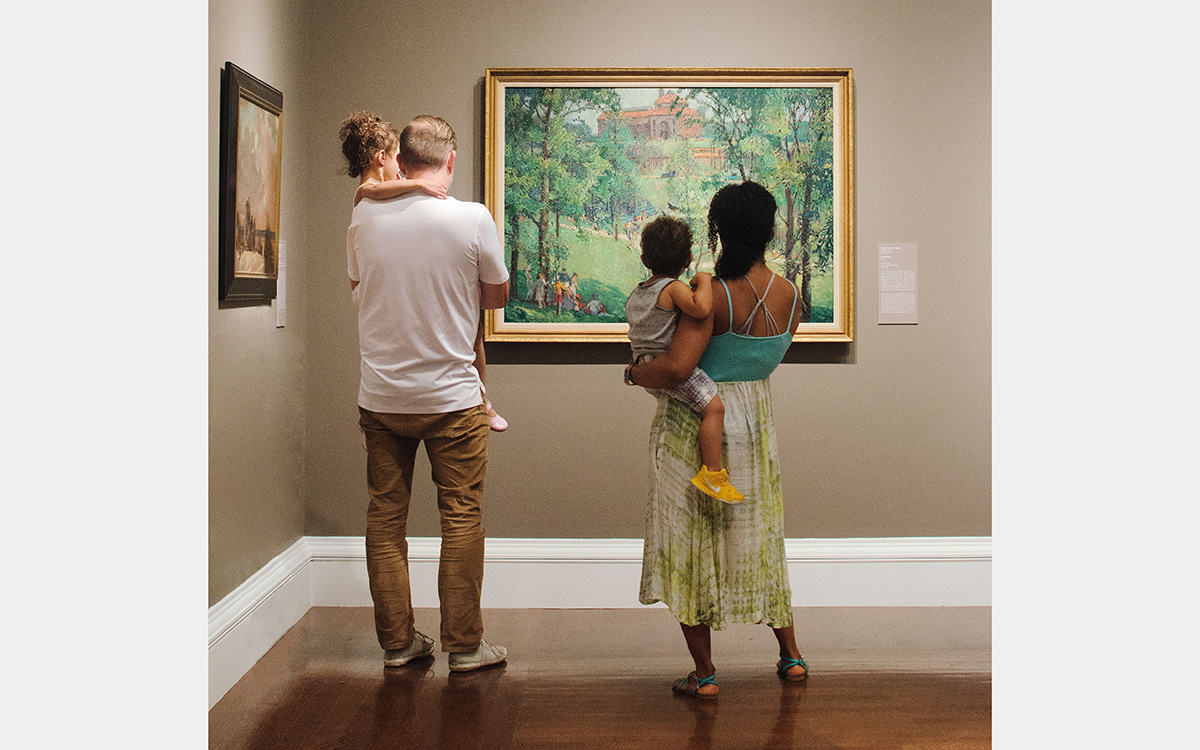
So, when you visit your Cincinnati Art Museum, try a little experiment to see the sacred. It’s all over the place. Seek and I know you’ll find your Third Space.
Related Blog Posts

Cincinnati, OH 45202
Toll Free: 1 (877) 472-4226
Museum Hours
Museum Shop
Terrace Café
Library
Cincinnati Art Museum is supported by the tens of thousands of people who give generously to the annual ArtsWave Campaign, the region's primary source for arts funding.

Free general admission to the Cincinnati Art Museum is made possible by a gift from the Rosenthal Family Foundation. Exhibition pricing may vary. Parking at the Cincinnati Art Museum is free.
Generous support for our extended Thursday hours is provided by Art Bridges Foundation’s Access for All program.

General operating support provided by: