CAM's Reimagined Gallery of Early American Art: Celebrating American Stories
by Amy Dehan, Curator of Decorative Arts and Design
6/11/2026
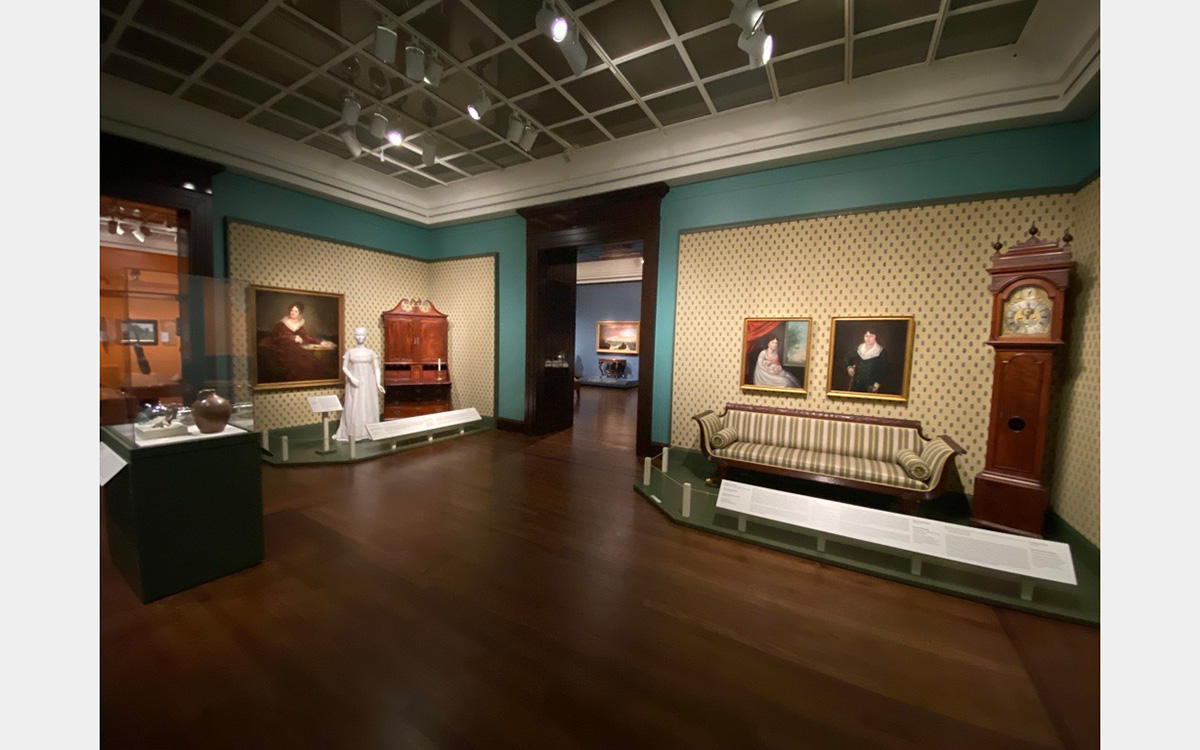
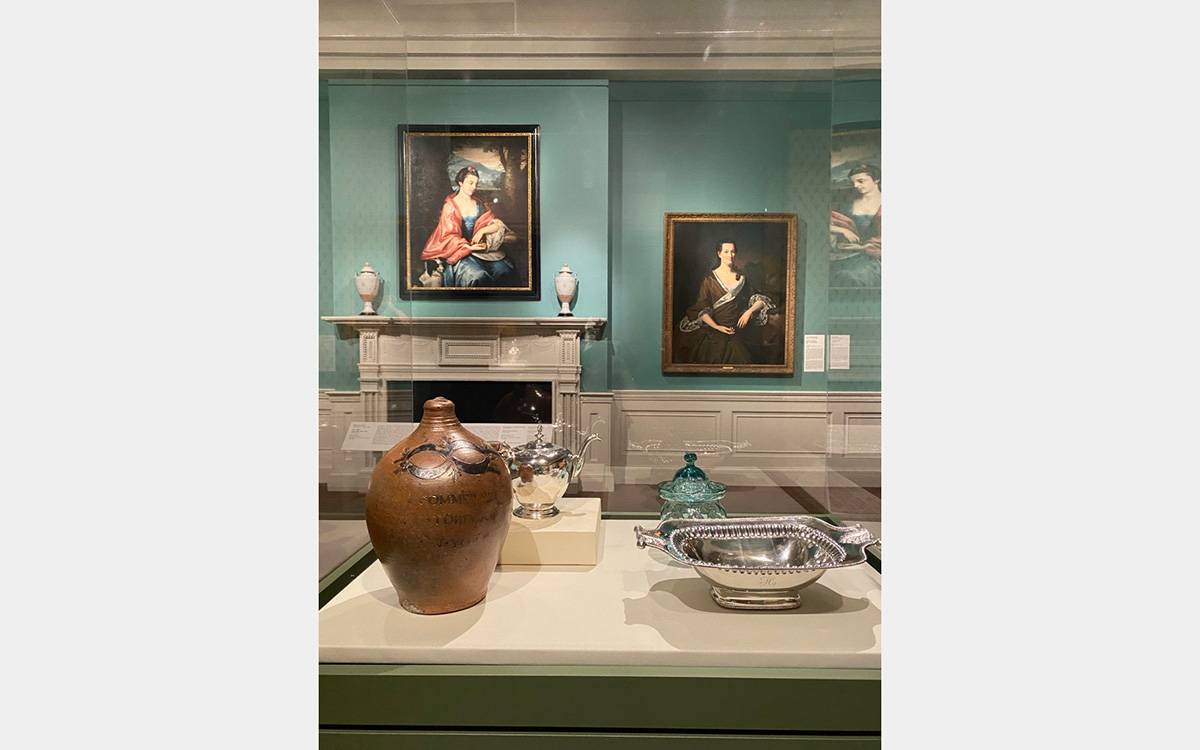
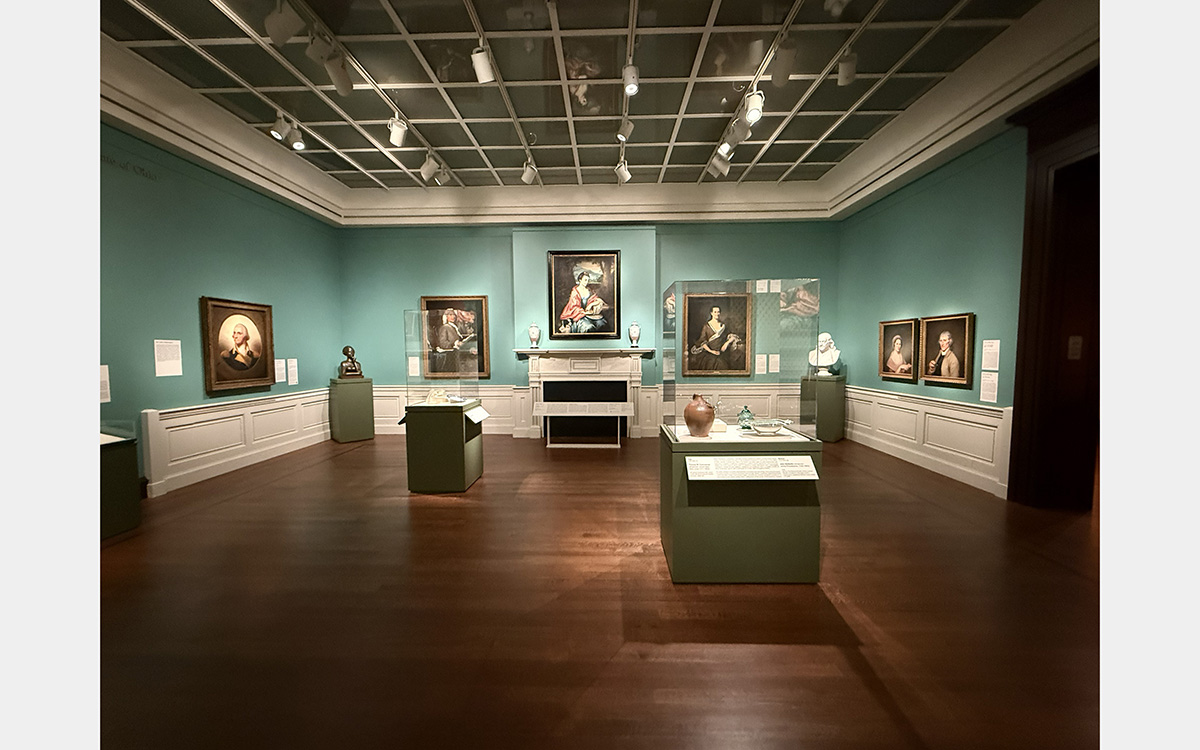
This past May, the museum reopened its early American art gallery, which highlights paintings, sculpture, fashion, architectural elements, and furnishings from the time before, during and after the American Revolutionary War (mid-1700s–circa 1830). Careful reconsideration of the artworks and narratives included in this reimagined space entailed a year of planning and implementation across and beyond our museum team. In partnership with the Colonial Dames of America in the State of Ohio, whose collection we have integrated with the museum’s collection in this display, museum curators and educators identified two essential needs for the updated space: (1) the gallery needed to generate greater visitor engagement and (2) the presentation needed to represent a broader and more complex narrative of American history. Now, you will find an inviting gallery with artworks that speak to the experiences of a diversity of artists and makers, those privileged to own these works, and the individuals whose labor sourced, produced and cared for them. Collaborating with our exhibition design and installation team, we now display these works against a backdrop of vibrant green walls (inspired by a painted interior at George Washington’s Mt. Vernon) and swaths of historically accurate reproduction wallpaper.
For this fresh reinstallation, special emphasis was given to the stories of individuals whose contributions have historically been devalued and hidden because of their gender, racial, and/or class identities.
The account of Mary Prince (b. 1788)—the first known Black woman to publish an autobiography detailing her experiences of Caribbean enslavement and inhumane working conditions that resulted from the global demand for salt and other similarly sought-after commodities like sugar, silver, and tea—accompanies a display of fine dining and tea ware.
Illustrating a majestic mahogany secretary, a furniture form which served as a workstation for organizing and safeguarding essential books, papers, accounts, and household commodities, is the story of Martha Jefferson Randolph (1772–1836). Daughter of Thomas Jefferson (1743–1826), Randolph managed her father’s plantation while he was away. Likewise, Deborah Read Franklin (1708–1774) oversaw Benjamin Franklin’s printing business and the postal service while he travelled. Both would have used such secretaries in their daily lives.
A bronze bust of the once-enslaved poet Phyllis Wheatley (circa 1753–1784), created by modern artist Elizabeth Catlett (1915–2012), sits opposite a marble sculpture of Benjamin Franklin (1706–1790). It simultaneously represents historical and modern female achievement, resilience, and empowerment.
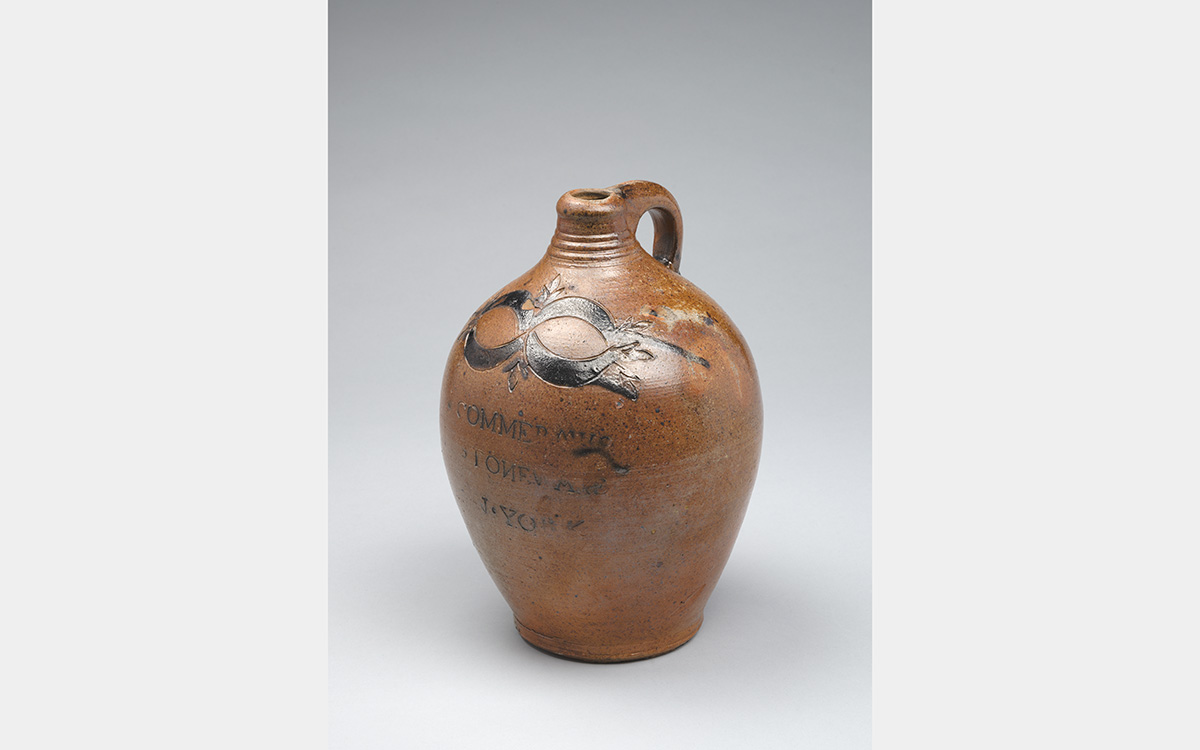
A recent addition to the museum’s collection, a stoneware jug used for food storage, tells the story of its maker, Thomas Commeraw (circa 1771–1823), who was a free Black potter based in lower Manhattan revered for his business acumen and political and abolitionist activism.
Stay tuned, as later this summer more exceptional artworks that illustrate additional American histories will be added to the gallery.
This project was made possible with funding from The National Society of the Colonial Dames of America in the State of Ohio’s L.W. Scott Alter Trust, with additional support from Joan P. Bailey and family, and other generous donors.
Related Blog Posts

Cincinnati, OH 45202
Toll Free: 1 (877) 472-4226
Museum Hours
Museum Shop
Terrace Café
Library
Cincinnati Art Museum is supported by the tens of thousands of people who give generously to the annual ArtsWave Campaign, the region's primary source for arts funding.

Free general admission to the Cincinnati Art Museum is made possible by a gift from the Rosenthal Family Foundation. Exhibition pricing may vary. Parking at the Cincinnati Art Museum is free.
Generous support for our extended Thursday hours is provided by Art Bridges Foundation’s Access for All program.

General operating support provided by: