The Renaissance of Here and Now - Part 2
by Bruce Petrie Jr., Board of Trustees Chair, Cincinnati Art Museum
7/14/2026
There’s a Renaissance happening here and now—not long ago and far away, but in our homes, neighborhoods, small towns, and big cities—from a youngster with a first box of crayons to artworks in museums across America.
Here’s a closer look at the evidence:
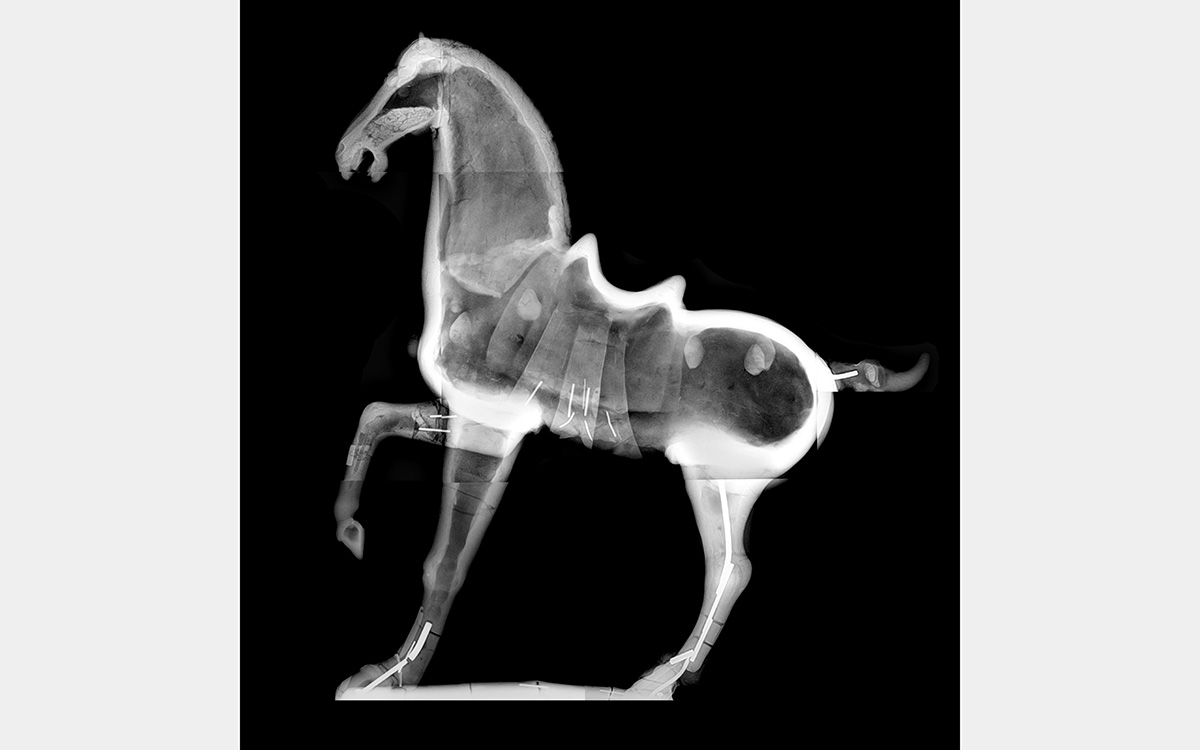
Dancing Horse, 8th century, earthenware with unfired pigments, Gift of Carl and Eleanor Strauss,1997.53
Combined digital x-rays of a Chinese ceramic sculpture from the museum’s East Asian collections.
The Arts-Science Merger
Art history today teaches us that a rebirth in the arts and humanities coincides with advances in science. Leonardo da Vinci’s genius wasn’t just that he painted a celebrity-status Mona Lisa, but that he created and left to humanity his monumental notebooks, evidencing the sciences of anatomy, light, visual perspective, color theory, engineering, architecture, hydrology, earth science and more.
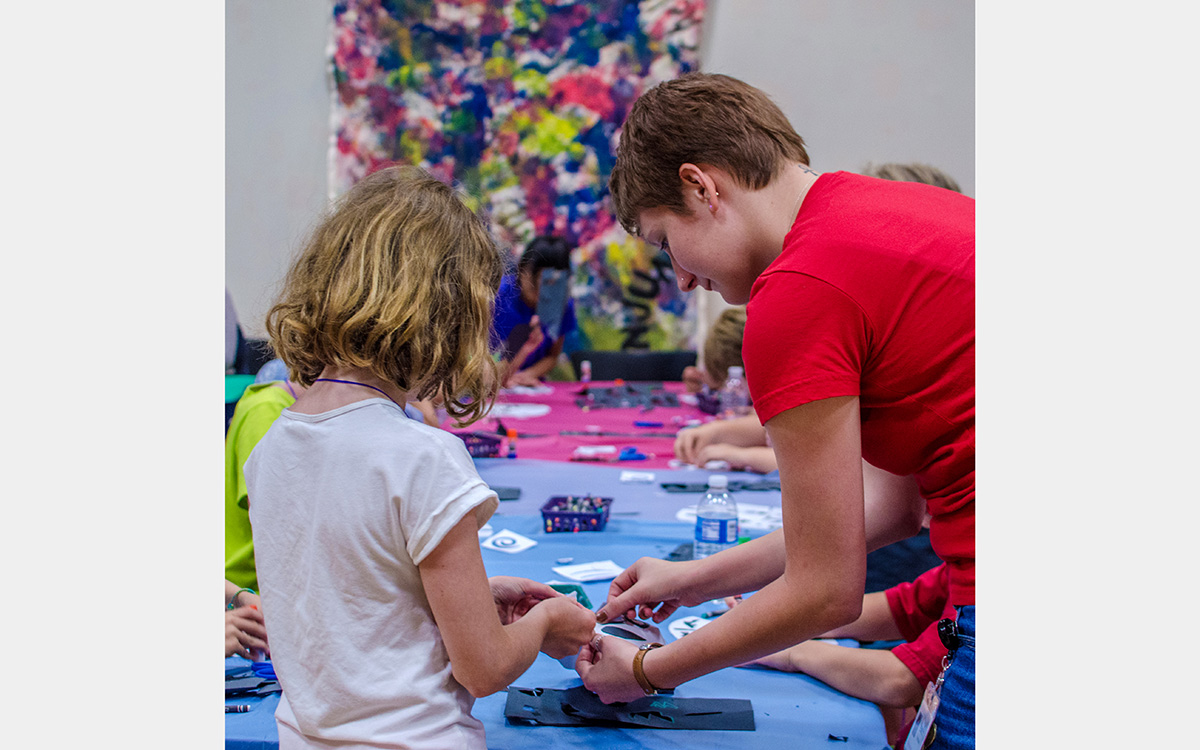
Arts Education
Never before in human history has more arts education been more widely accessible in more forms to more human beings than now. The revolution in visual technology is hand-held throughout the world. Art museums are a relative newcomer in the 30,000-year story of art. As we speak, art museums serving millions of visitors all over America are evolving, reinventing and adapting to new contexts, preserving the past while exploring new directions. One example of new strategic emphasis is art and wellness—aka your brain on art—the science of neuroaesthetics.
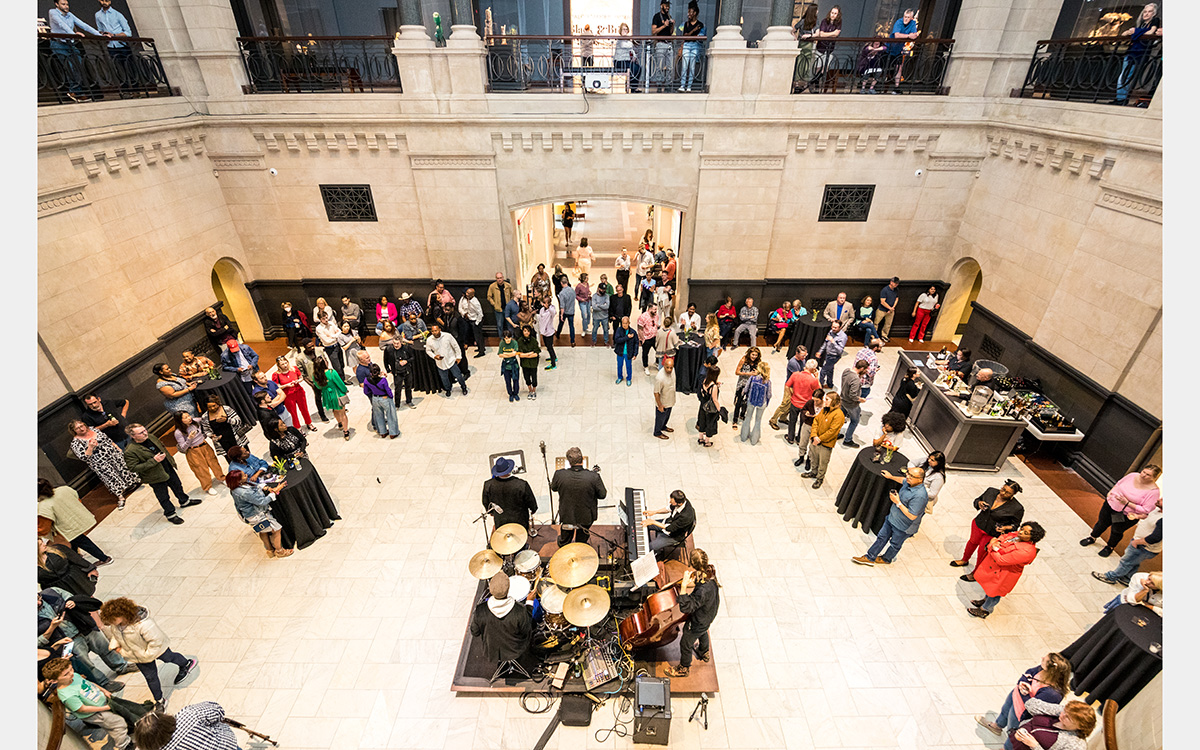
The Value of Many
An encyclopedic museum like the Cincinnati Art Museum includes in its collection some 70,000 works across an enormous range of places, peoples, cultures, civilizations, and religions. Remember e pluribus unum, out of many one, our American motto? A place like our museum shows the strength of presenting the pluralism of human creativity alongside a unifying common ground. You can see pluribus in the museum’s embrace of “all are welcome” and the “oh wows” coming from visitors of all ages, places, and pathways.
Visit your Cincinnati Art Museum. Experience a Renaissance.
Related Blog Posts

Cincinnati, OH 45202
Toll Free: 1 (877) 472-4226
Museum Hours
Museum Shop
Terrace Café
Library
Cincinnati Art Museum is supported by the tens of thousands of people who give generously to the annual ArtsWave Campaign, the region's primary source for arts funding.

Free general admission to the Cincinnati Art Museum is made possible by a gift from the Rosenthal Family Foundation. Exhibition pricing may vary. Parking at the Cincinnati Art Museum is free.
Generous support for our extended Thursday hours is provided by Art Bridges Foundation’s Access for All program.

General operating support provided by: