- Events & Programs
- Calendar
- Accessibility
- Accessible Audio
- Accessibility Group Tours
- Audio Description and Touch Tours
- Connect: For Adults with Developmental Disabilities
- Sensory Saturday
- Art in Motion
- Multisensory Gallery Discussion
- Therapeutic Art Workshop
- Mindful Poetry with The Well
- Adults
- Families & Teens
- Teachers
- Community Outreach
- Fundraisers
- Plan Your Own Event
Braille & Tactile Tours
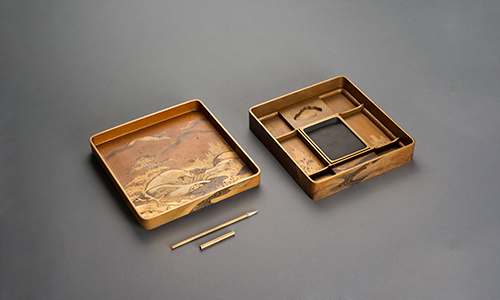
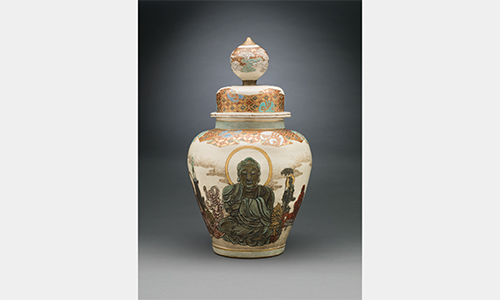
Audio Exhibitions
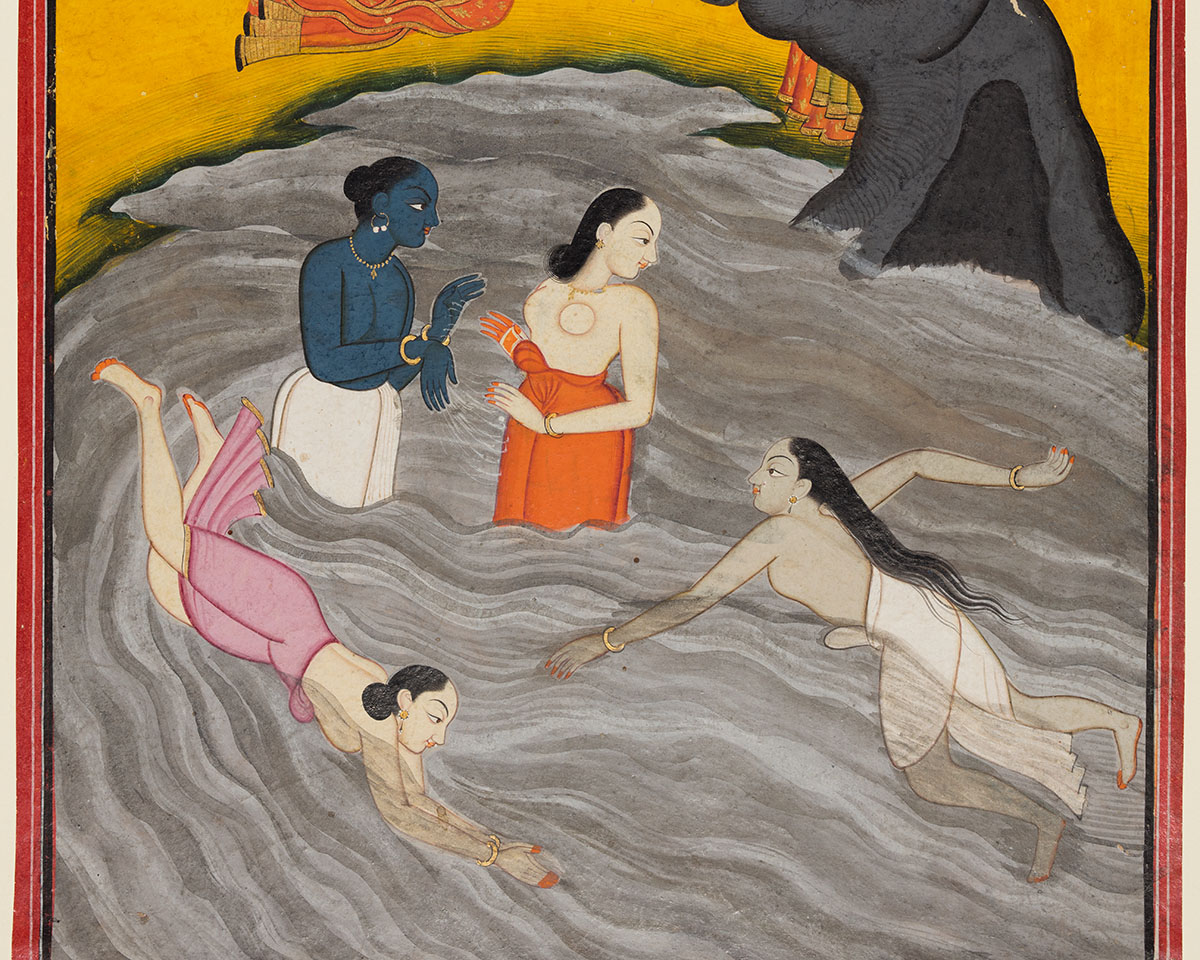
Longing: Painting from the Pahari Kingdoms of the Northwest Himalayas
Featuring more than forty works of art, Longing: Painting from the Pahari Kingdoms of the Northwest Himalayas displays colorful court paintings from present-day India dating between the seventeenth and nineteenth centuries. Influenced by the region’s culture and politics, they portray moments of leisure, religious devotion, and political positioning, and were given as gifts between regional nobility, families, and political allies.
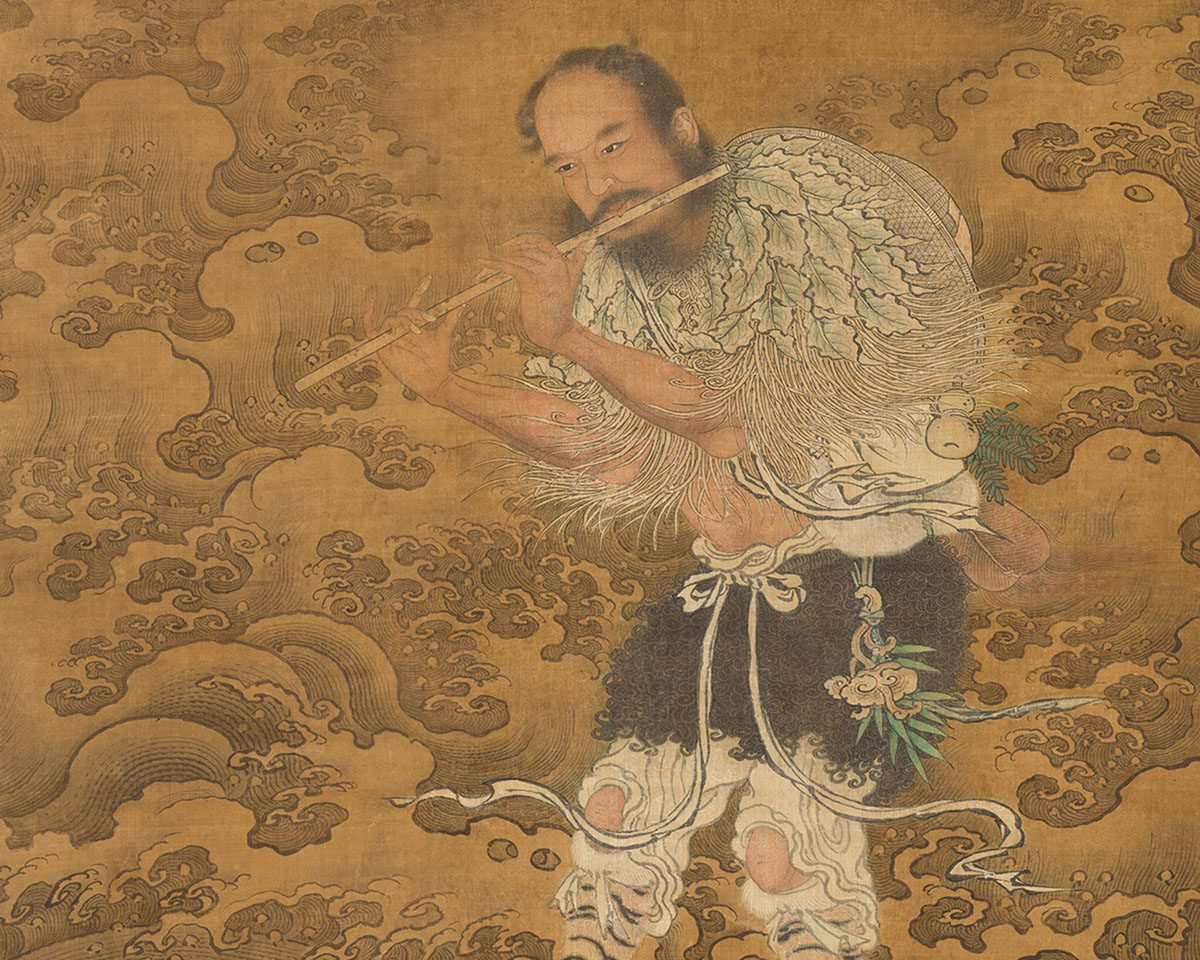
Rediscovered Treasures
Rediscovered Treasures features the hidden gems of East Asian art rediscovered through advanced research or conservation in the Cincinnati Art Museum. Most of these 60 highlighted works entered the museum in the late 19th or early 20th centuries when the museum had no staff to identify Asian art. As a result, many were not fully documented or accessioned. The rediscovery of these objects over the past decades and their subsequent accession and conservation have not only changed the identities of many individual art works, but also the overall dynamics of the entire collection. Together, they also shed new light on the early and consequential cultural and artistic exchanges between Cincinnati and East Asia.
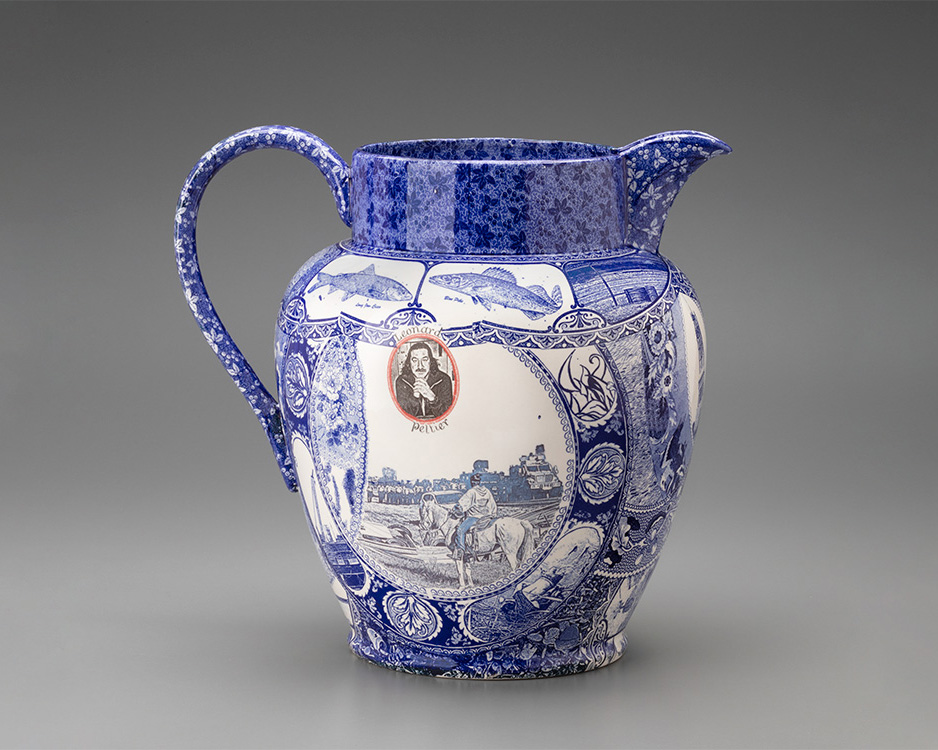
Recall. Reframe. Respond. The Art of Paul Scott
At first glance, artist Paul Scott’s transfer-printed tableware may look familiar—like something you have seen in your grandparents’ china cabinet or a second-hand shop. Look closer and you will notice subtle differences that add up to a powerful narrative shift. Scott (British, b. 1953) subverts this seemingly unassuming blue-and-white “cultural wallpaper” to create sharp, thought-provoking social commentary. Working with new ceramic forms or repurposing antique pieces, Scott breaks, reassembles, erases, and adds details using screenprinting, engraving, and collage processes to create new “historical” patterns. Broadly, his works address updated narratives about art, history and American experiences.
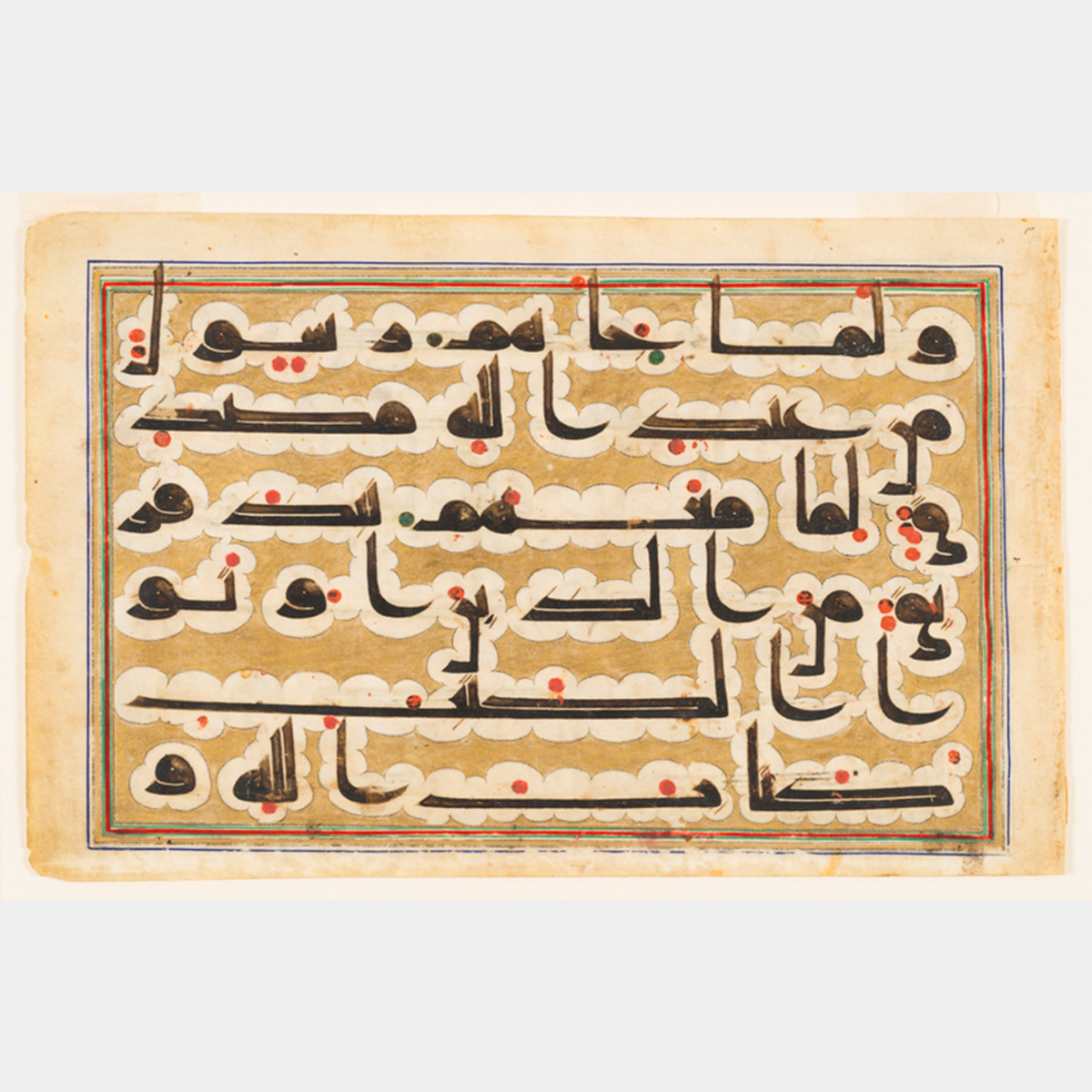
Transmissions
How can simple shapes and the suggestion of movement speak so deeply about transcendent experience and human connection?
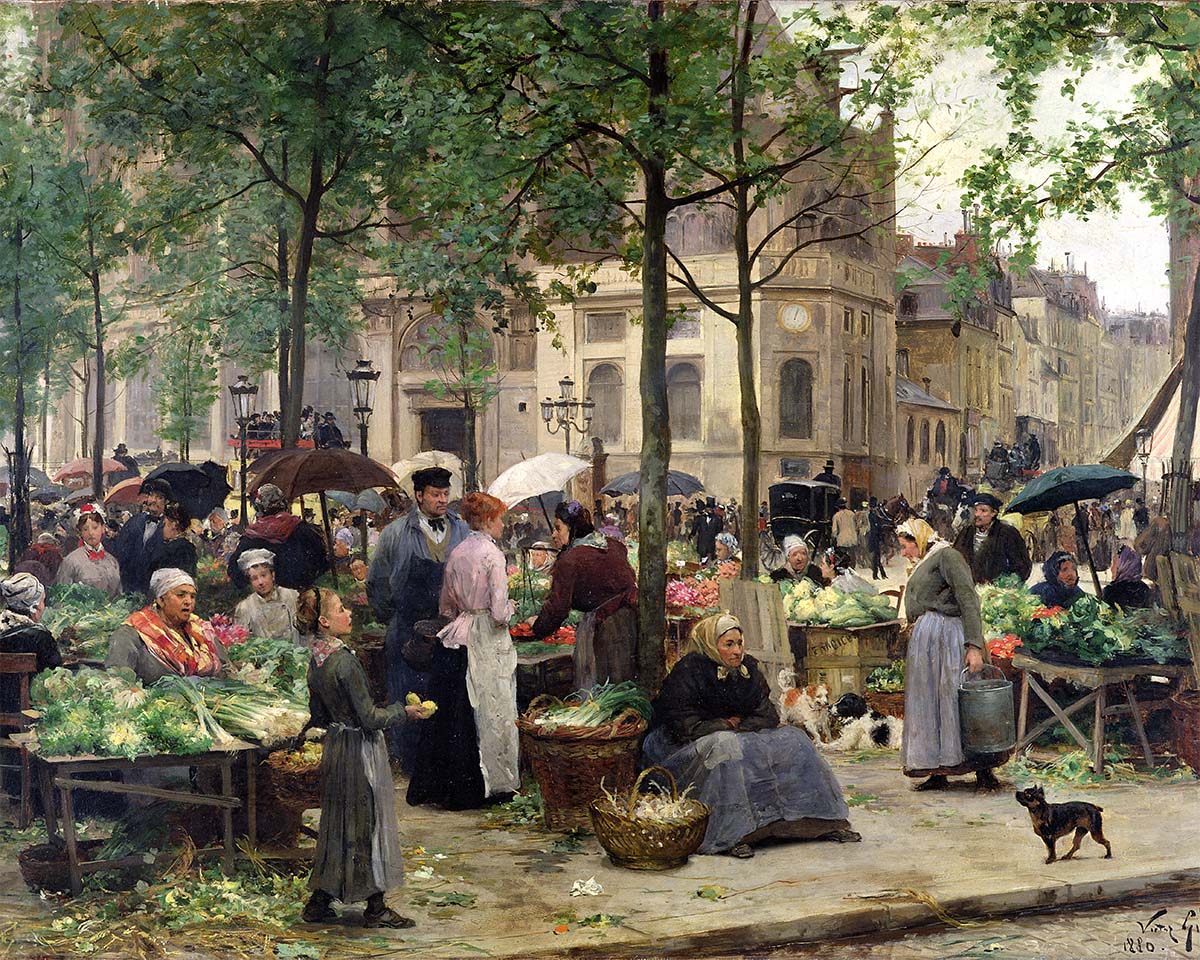
Farm to Table: Food and Identity in the Age of Impressionism
Farm to Table: Food and Identity in the Age of Impressionism explores the intersections of art, gastronomy, and national identity in fin-de-siècle France. The exhibition showcases over sixty paintings and sculptures, including the work of Claude Monet, Eva Gonzalès, Victor Gilbert, Paul Gauguin, Jules Dalou, and Vincent van Gogh, artists who examined the nation’s unique relationship with food.
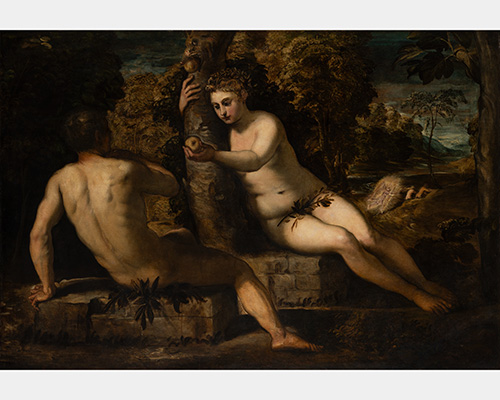
Tintoretto’s Genesis
In the early 1550s, Jacopo Tintoretto (1518–1594) made a series of large paintings depicting scenes from the Book of Genesis for the Scuola della Trinità, a charitable organization in Venice. Painted just as the artist was coming into his maturity, these canvases display a fusion of Michelangelo’s forceful conception of the figure, Titian’s renowned colorism, and Tintoretto’s own vigorous brushwork, dynamic compositions, and command of the workshop system. The paintings mark the beginning of Tintoretto’s rise as the powerhouse of Venetian Renaissance painting—a position he would hold for the next four decades.
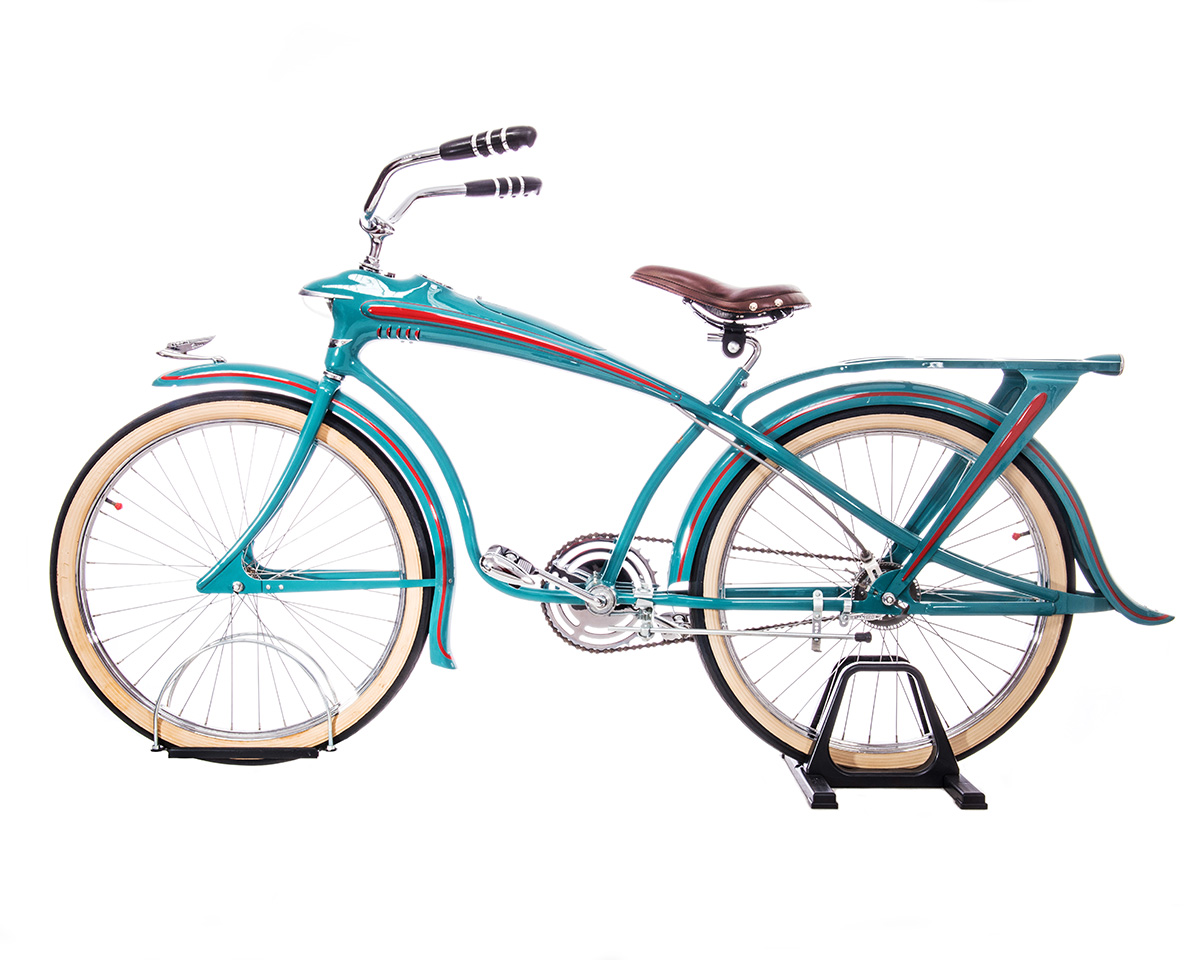
Cycle Thru! The Art of the Bike
Gear up to see a cast iron velocipede designed in the mid-1800s, a 1901 Wolff-American Ice Bicycle engineered to traverse a frozen course, a seafoam green 1950s Huffy Radiobike designed so riders could cruise to their tunes of choice, and Pee-Wee Herman’s customized 1953 Schwinn DX Cruiser starring in Tim Burton’s 1985 film, Pee-wee’s Big Adventure.
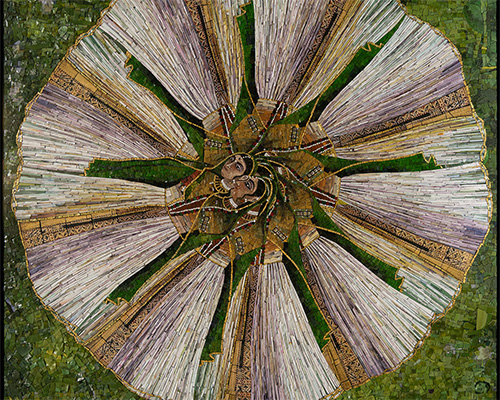
Shahzia Sikander: Collective Behavior
The Cincinnati Art Museum presents Shahzia Sikander: Collective Behavior, a career-spanning exhibition of the internationally renowned, New York-based artist. For more than three decades, Shahzia Sikander (born 1969, Lahore, Pakistan) has been reframing South Asian visual histories through a contemporary feminist perspective.
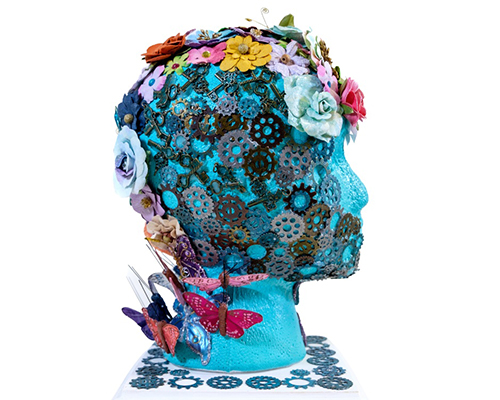
Accessible Expressions Ohio
One of the most accessible and diverse art presentations ever displayed at the museum, Accessible Expressions Ohio is a juried statewide art exhibition by Ohio artists, of all ages, with disabilities.
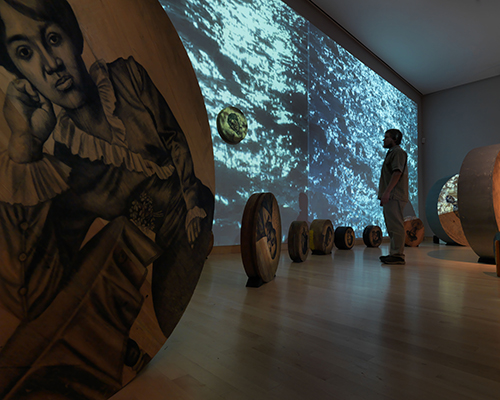
Whitfield Lovell: Passages
Whitfield Lovell: Passages urges viewers to contemplate the ordinary lives and extraordinary journeys of the African American experience, while raising universal questions about identity, memory, and America’s collective heritage. More than 80 evocative multisensory installations, conté crayon drawings, and assemblages comprise this most comprehensive exhibition of the artist’s work to date.
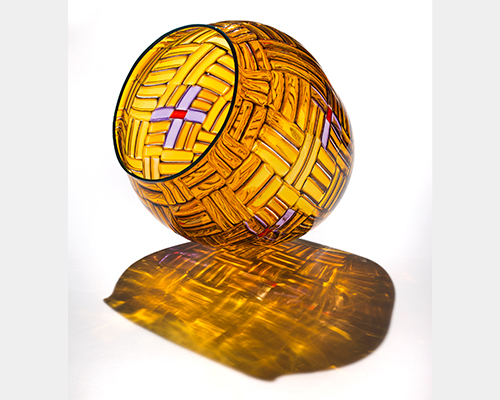
Clearly Indigenous: Native Visions Reimagined in Glass Audio Exhibition
Featuring 120 pieces by 33 artists, the groundbreaking exhibition showcases works that reinterpret Traditional Stories and iconography, express contemporary issues affecting Indigenous Nations today, and meld Indigenous Traditions and Knowledge with the aesthetics and properties unique to the medium of glass.
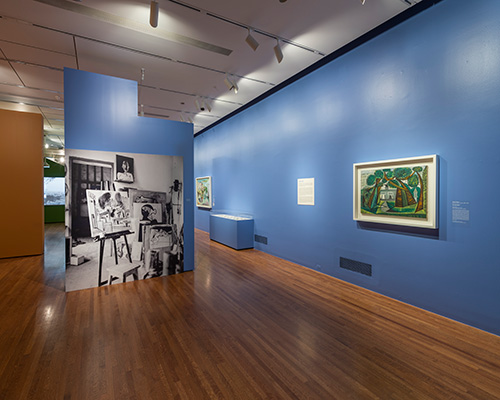
Picasso Landscapes: Out of Bounds Audio Exhibition
Picasso Landscapes: Out of Bounds brings to our galleries paintings and sculptures by the artist from some 25 public and private collections across the United States and Europe.
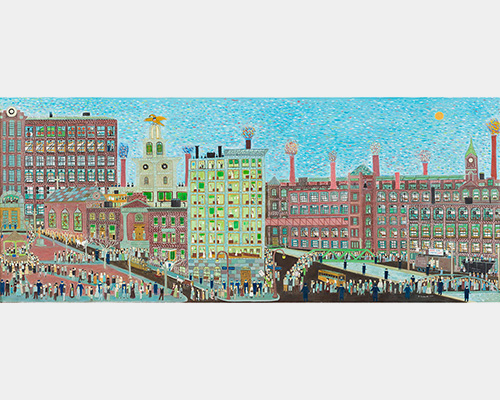
Creating Connections: Self-Taught Artists in the Rosenthal Collection Audio Exhibition
Drawn from the collection of Richard Rosenthal and his family, this exhibition celebrates a promised gift to the Cincinnati Art Museum and features 38 works by self-taught artists from diverse cultures and circumstances.
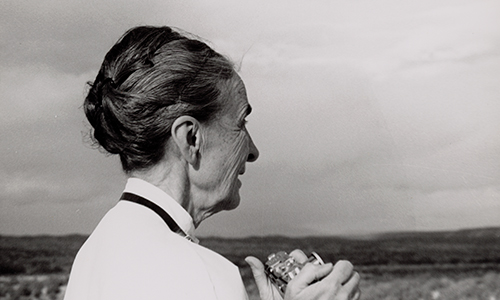
Georgia O’Keeffe, Photographer Audio Exhibition
How well do we know iconic American artist, Georgia O’Keeffe? Scholars have examined her paintings, home, library, letters, and even her clothes. Yet, despite O’Keeffe’s long and complex association with the American photographic avant garde, no previous exhibition has explored her work as a photographer.
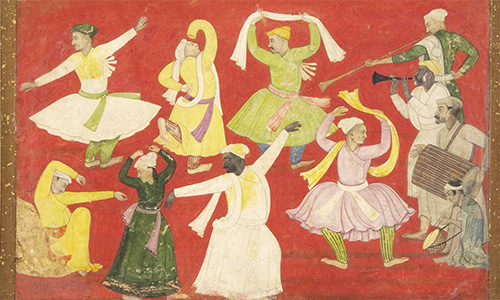
Beyond Bollywood: 2000 Years of Dance in Art Audio Exhibition
The exhibition Beyond Bollywood: 2000 Years of Dance in Art considers the compelling visual language of dance in the arts from South Asia, Southeast Asia, and the Himalayan region from the first to the twenty-first century. Through religious, courtly, and everyday objects, the exhibition illustrates how dance occupies a uniquely important place in the region.
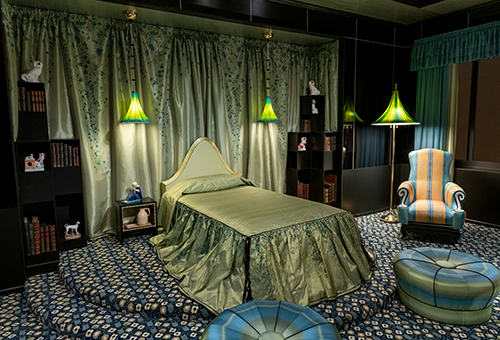
Unlocking an Art Deco Bedroom by Joseph Urban Audio Exhibition
Over 90 years after its completion, the Wormser bedroom went on public view for the first time, fully conserved and installed to reflect its original state as photographed in 1930.
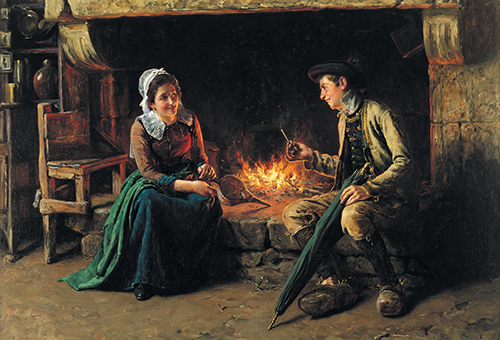
Henry Mosler Behind the Scenes: In Celebration of the Jewish Cincinnati Bicentennial Audio Exhibition
Drawn from the extensive collection of the artist’s work at the Cincinnati Art Museum, with a few select loans, this exhibition relates Mosler’s journey and takes a close look at how he developed his paintings through studies across media.
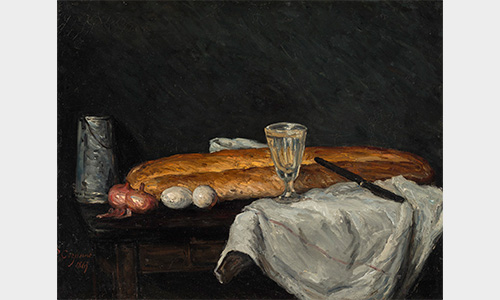
One Each: Still Lifes by Cézanne, Pissarro and Friends Audio Exhibition
One Each features paintings by five young French artists who, in the 1860s, used the still life genre to experiment with new techniques and pictorial aims in painting.
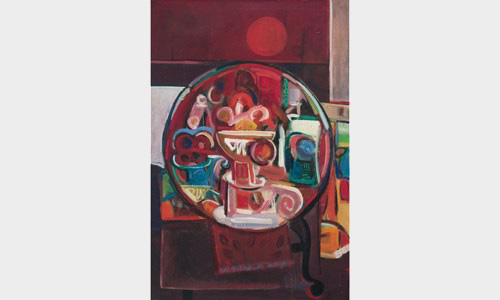
David Driskell: Icons of Nature and History Audio Exhibition
David Driskell (1931–2020) was one of the most revered American artists of his generation, long recognized for his vibrant and versatile work as a painter and printmaker. His art combines keen observations of America with the imagery and aesthetic innovations of the African diaspora.
Driskell Speaks
Hear David Driskell discuss selections from the exhibition.
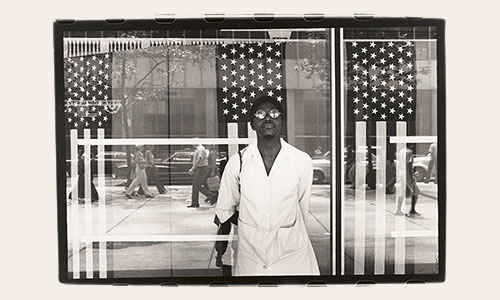
Working Together: The Photographers of the Kamoinge Workshop Audio Exhibition
Working Together is the first major museum exhibition about the Kamoinge Workshop, a groundbreaking African American photographers’ collective founded in New York City in 1963. The founders chose the name Kamoinge—meaning “a group of people acting and working together” in the Gikuyu language of Kenya—to reflect their shared dedication to community, collective action, and a global outlook.
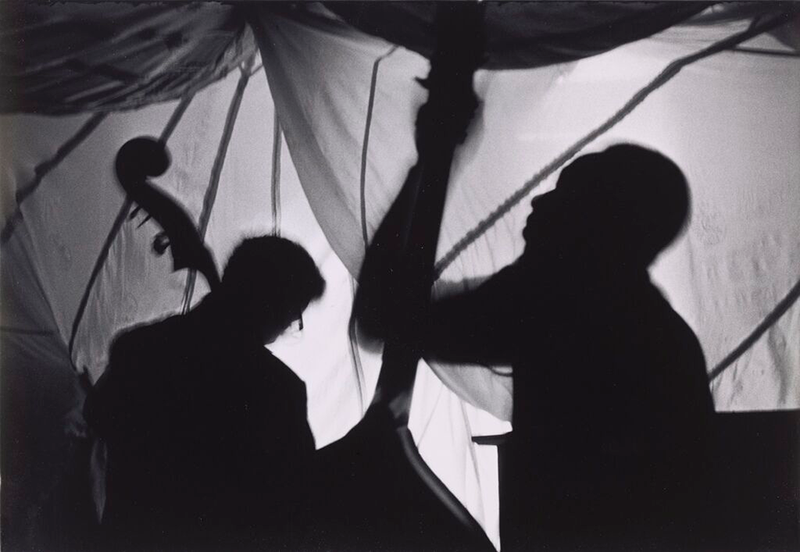
Kamoinge Workshop Audio Tour
Hear Kamoinge artists and family members reflect on individual artworks.
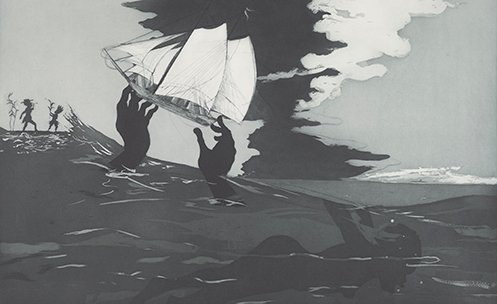
Kara Walker: Cut to the Quick Audio Tour
From the Collections of Jordan D. Schnitzer and His Family Foundation
Kara Walker (b.1969, Stockton, CA), renowned for her cut-paper silhouettes, emerged as a prolific and leading contemporary artist in during the mid-90s. Her work incorporates stereotypes to examine the narratives that feed into racism, sexism, sexuality and identity. Drawing on mythology, art history and American history, Walker’s art challenges viewers to take a critical and haunting view of the past while proposing questions around the challenges we continue to face collectively today.
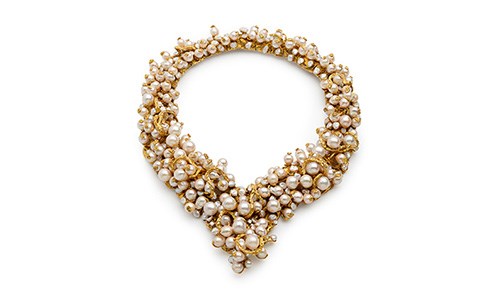
Simply Brilliant: Artist-Jewelers of the 1960s and 1970s Audio Exhibition
Jewelry of the 1960s and 1970s was as groundbreaking as the era itself. The space race, rock ‘n’ roll, the Beatles, the Vietnam War, the Kennedy assassinations, the Civil Rights movement, Pop Art, the Women’s Movement, the widespread use of drugs, the Pill, and the concept of free love were all facets of cultural change associated with these two decades. These social deviations set the stage for what jewelers had to offer, expressing individuality, nonconformity, and the aesthetic, political and intellectual values of those who wore it.
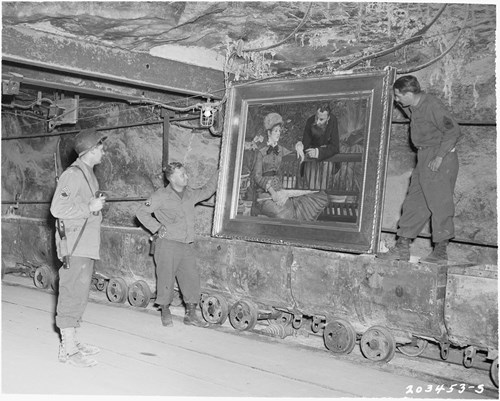
Paintings, Politics and the Monuments Men: The Berlin Masterpieces in America Audio Exhibition
From the Nazis’ exploitation of artworks to the protection and restitution efforts of the “Monuments Men,” art and politics were frequently intertwined in the World War II era.

Cincinnati, OH 45202
Toll Free: 1 (877) 472-4226
Museum Hours
Museum Shop
Terrace Café
Library
Cincinnati Art Museum is supported by the tens of thousands of people who give generously to the annual ArtsWave Campaign, the region's primary source for arts funding.

Free general admission to the Cincinnati Art Museum is made possible by a gift from the Rosenthal Family Foundation. Exhibition pricing may vary. Parking at the Cincinnati Art Museum is free.
Generous support for our extended Thursday hours is provided by Art Bridges Foundation’s Access for All program.

General operating support provided by: