A Monumental Indian Painting
by Cecile Mear, Conservator of Works on Paper
2/11/2026
Most of the museum’s paintings from India created before the twentieth century are of a small scale and were commonly referred to as “Indian miniatures.” A recent acquisition currently on view in Longing: Painting from the Pahari Kingdoms of the Northwest Himalayas defies that characterization. It measures more than eight feet in length, unlike many of the paintings in the exhibition that are closer to eight inches long. The figures in the painting are similar in size to those in the other paintings, but the composition encompasses a more expansive scene.
Raja Aniruddha Chand Visiting the Holy City of Haridwar to Perform Puja, circa 1825, is also unique in that, although it is painted on paper, it is adhered to two layers of fabric and attached to a wood stretcher. The fabric directly behind the paper support was probably attached at the time the painting was created. We suspect that the painting was glued to the second fabric and attached to the stretcher after it moved from India to Europe. The front of the painting originally rested against the acrylic glazing in the frame, and the frame did not have a protective back board. While the later lining fabric and stretcher help stabilize the painting and provide additional support, when we unframed the painting the entire support flexed, and it was clear that the fabric was slack on the stretcher. We were concerned that with movement of the support the brittle paint, already cracked and exhibiting losses across the composition, could suffer more flaking and loss.
The edges of the lining fabric are glued and tacked to the stretcher, and the fabric and glue are weaker than when first attached. Rather than removing the painting from the stretcher and re-stretching it, we decided on a more conservative approach to reduce movement of the support. I created a padded back board using polyester batting and acid-free corrugated cardboard. The batting, attached to the cardboard with twill tape, fills the air space between the cross bars of the stretcher, so that when the painting moves, the batting prevents it from flexing. The back board also protects the back of the painting from potential damage from the back and will keep the lining fabric clean.
The new frame, built by the museum’s carpenters, is sturdier than the original and includes spacers that separate the new glazing from the paint--yet another protective measure to preserve the painting.
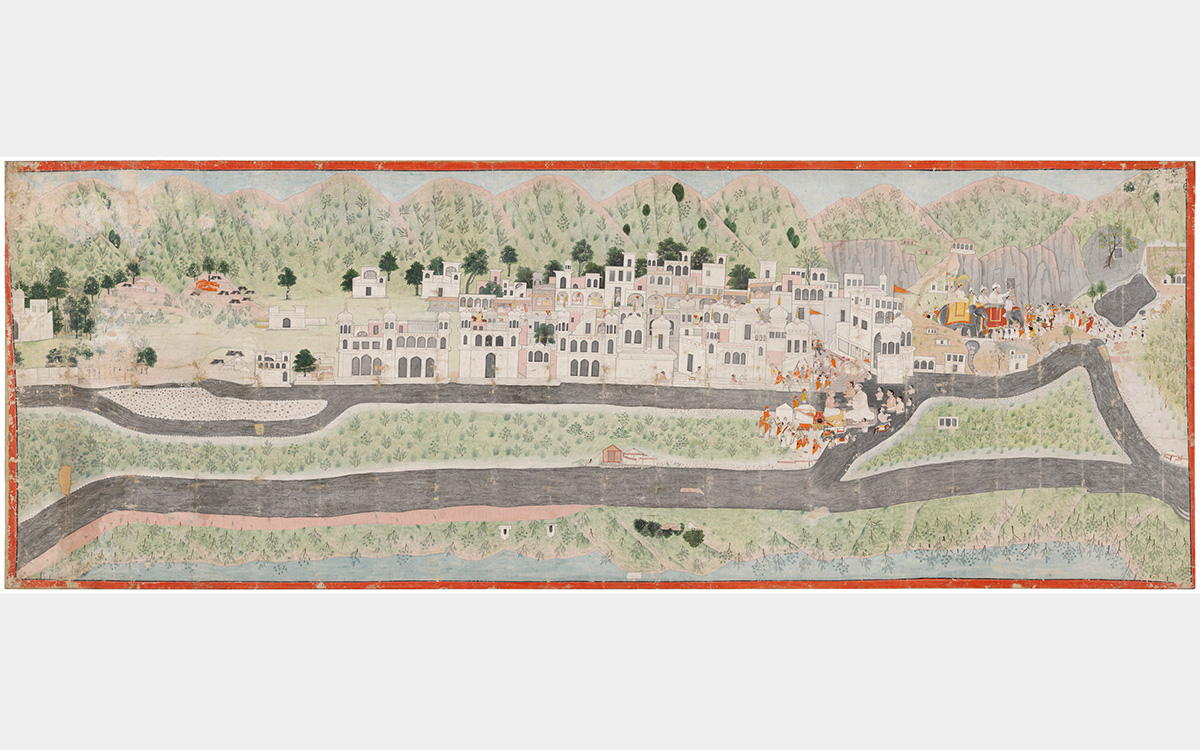
Raja Aniruddha Chand Visiting the Holy City of Haridwar to Perform Puja, circa 1825, opaque watercolor, ink and gold on paper, From the Catherine Glynn Benkaim and Ralph Benkaim Collection, made possible by the generosity of Catherine Glynn Benkaim and Barbara Timmer and by Museum Purchase: Alice Bimel Endowment for Asian Art, 2025.29
Front of the painting before treatment
This recent acquisition currently on view in Longing measures more than eight feet in length, unlike many of the paintings in the exhibition that are closer to eight inches long. The figures in the painting are similar in size to those in the other paintings, but the composition encompasses a more expansive scene.
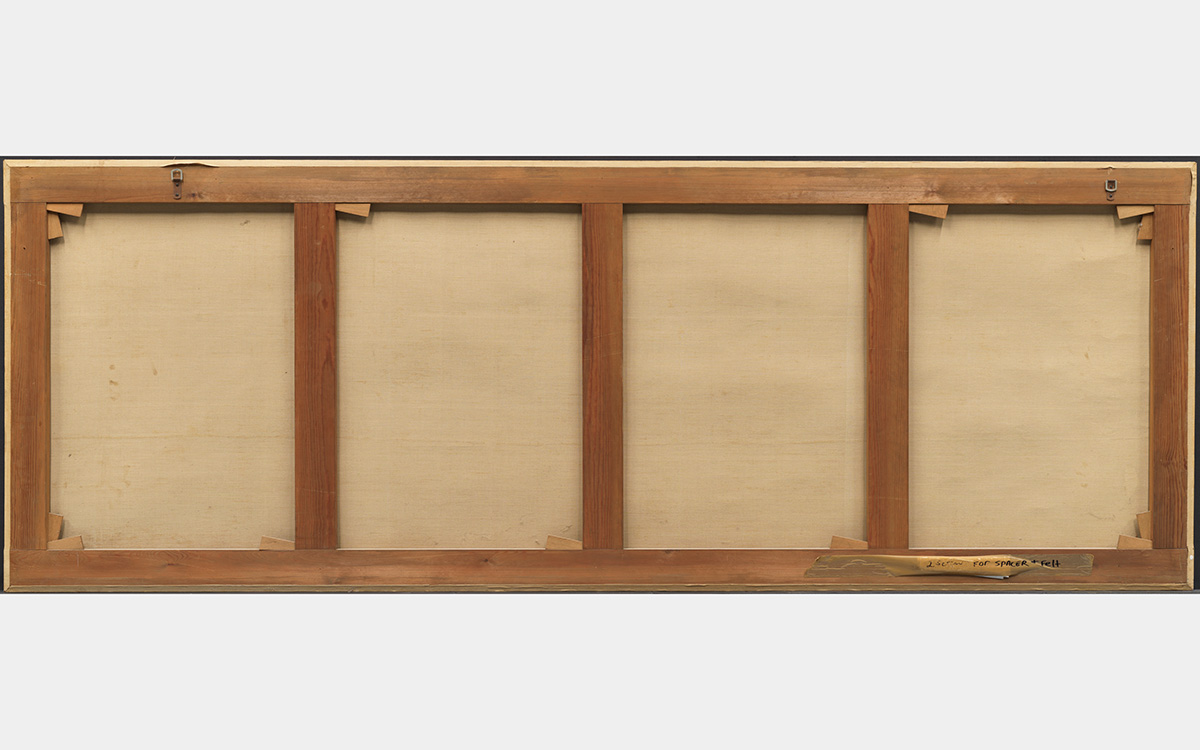
Back of the painting before treatment
The edges of the lining fabric are glued and tacked to the stretcher, and the fabric and glue are weaker than when first attached. Rather than removing the painting from the stretcher and re-stretching it, we decided on a more conservative approach to reduce movement of the support.
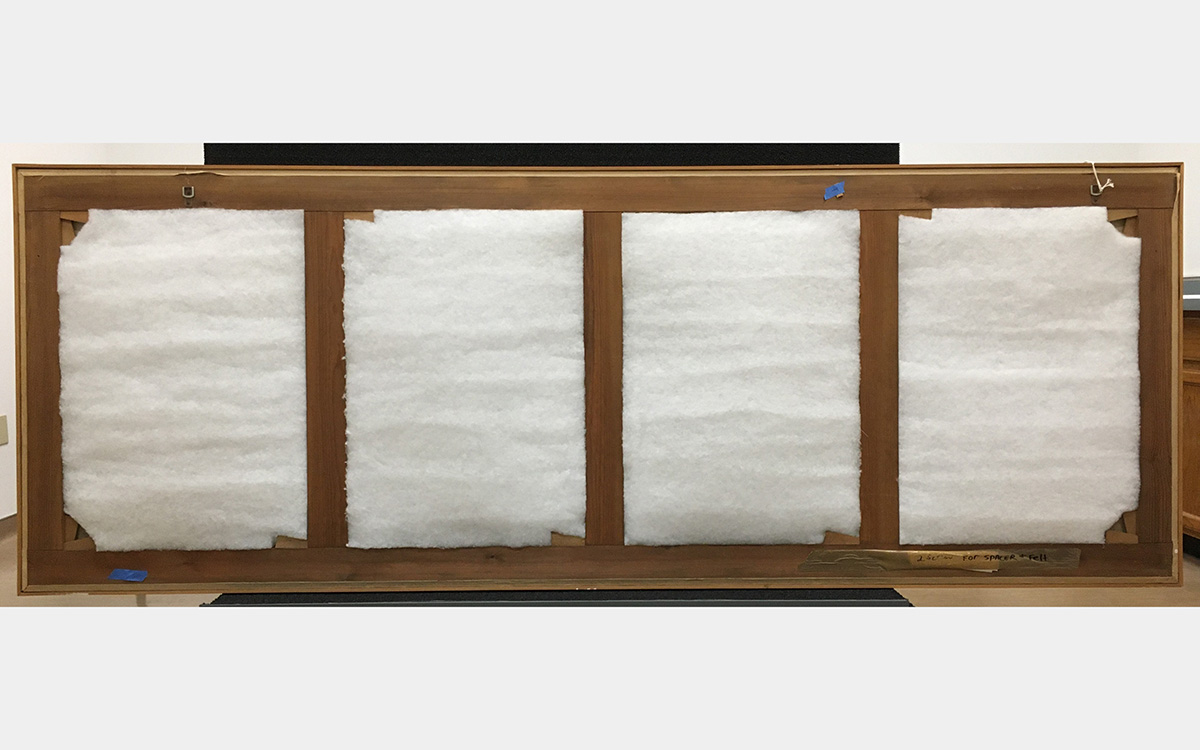
Back, batting inserted for fitting
Batting fills the air space between the cross bars of the stretcher, so that when the painting moves, the batting prevents it from flexing.
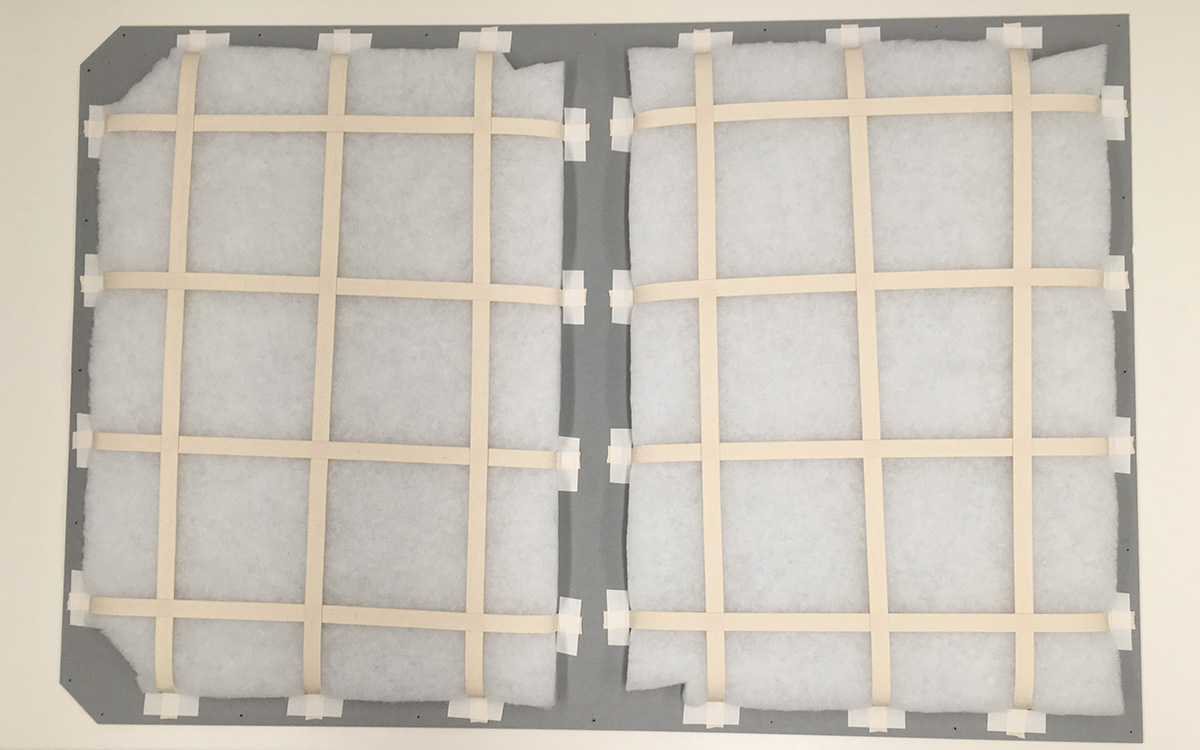
Back board with batting attached.
The batting is secured to acid-free corrugated cardboard with cotton twill tape.
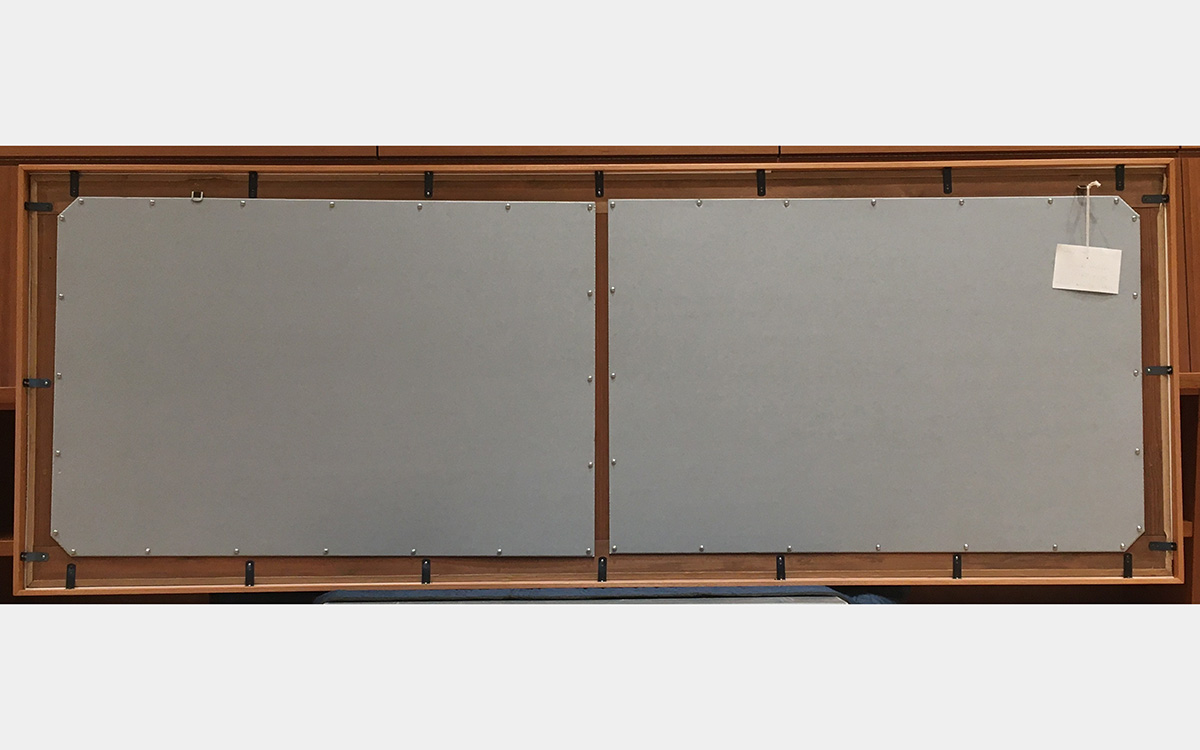
Back, after treatment and reframing
Besides preventing the painting from flexing, the new padded back board also protects the verso of the painting from potential damage from the back and will keep the lining fabric clean.
Related Blog Posts

Cincinnati, OH 45202
Toll Free: 1 (877) 472-4226
Museum Hours
Museum Shop
Terrace Café
Library
Cincinnati Art Museum is supported by the tens of thousands of people who give generously to the annual ArtsWave Campaign, the region's primary source for arts funding.

Free general admission to the Cincinnati Art Museum is made possible by a gift from the Rosenthal Family Foundation. Exhibition pricing may vary. Parking at the Cincinnati Art Museum is free.
Generous support for our extended Thursday hours is provided by Art Bridges Foundation’s Access for All program.

General operating support provided by: