Happy Year of the Horse!
by Eric Hughett, Curatorial Assistant, East Asian Art
2/3/2026
Happy Year of the Horse! The seventh animal in the 12-year zodiac cycle, the horse has a long history in Chinese art and culture. Take a look at these three artworks from the museum’s East Asian collections to learn more about the horse as an enduring symbol and subject in Chinese art as well as a charismatic representative of more than three millennia of culture extending through today.
May the Horse Year bring you all good luck and prosperity!
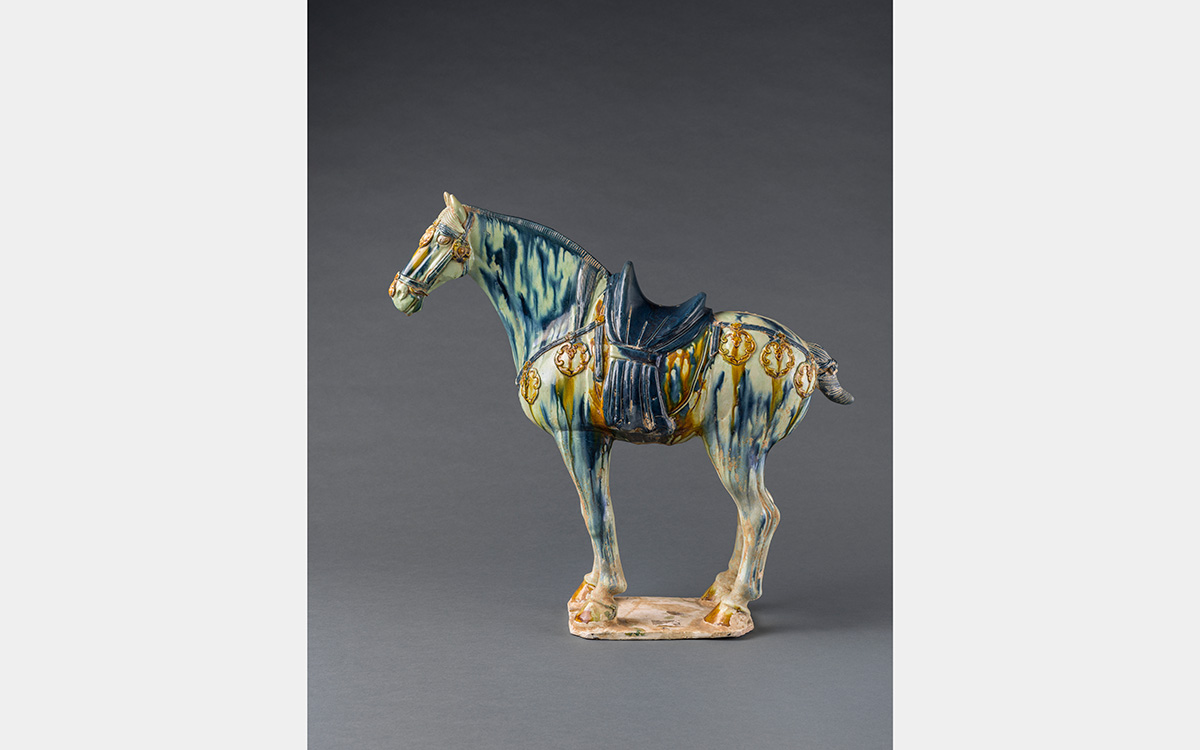
Horse, China, 8th century, earthenware with three-color lead glazes, Museum Purchase, 1950.49
Since the twelfth century BCE, the horse has been associated with heaven and its endless creative energy and strength. Much like the dragon, this connotation with the divine made horses a potent symbol for imperial power. As such, the earliest examples of horse art come from imperial and aristocratic sources, like our Tang dynasty (618–907) sancai (three-color glaze) ceramic horse which was a high-status burial good.
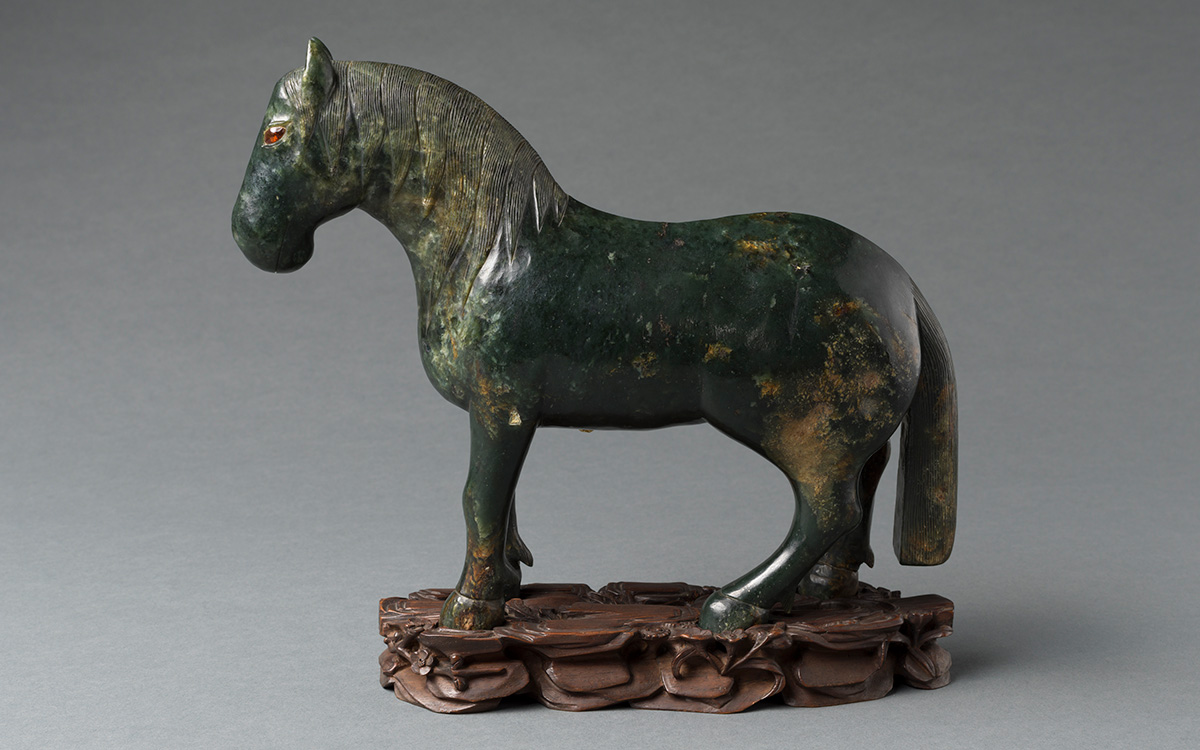
Horse, China, Ming dynasty (1368–1644), jade, Gift of the Duke and Duchess of Talleyrand-Perigord, 1948.203
This large jade sculpture of a horse with precious stone inlaid eyes is a particularly extravagant example from the Ming dynasty (1368–1644). Measuring nearly 12 inches in height, this jade horse would have been incredibly costly, proving not only that a horse was worth depicting in jade but also that people valued the animal and its symbolism enough to pay for it.
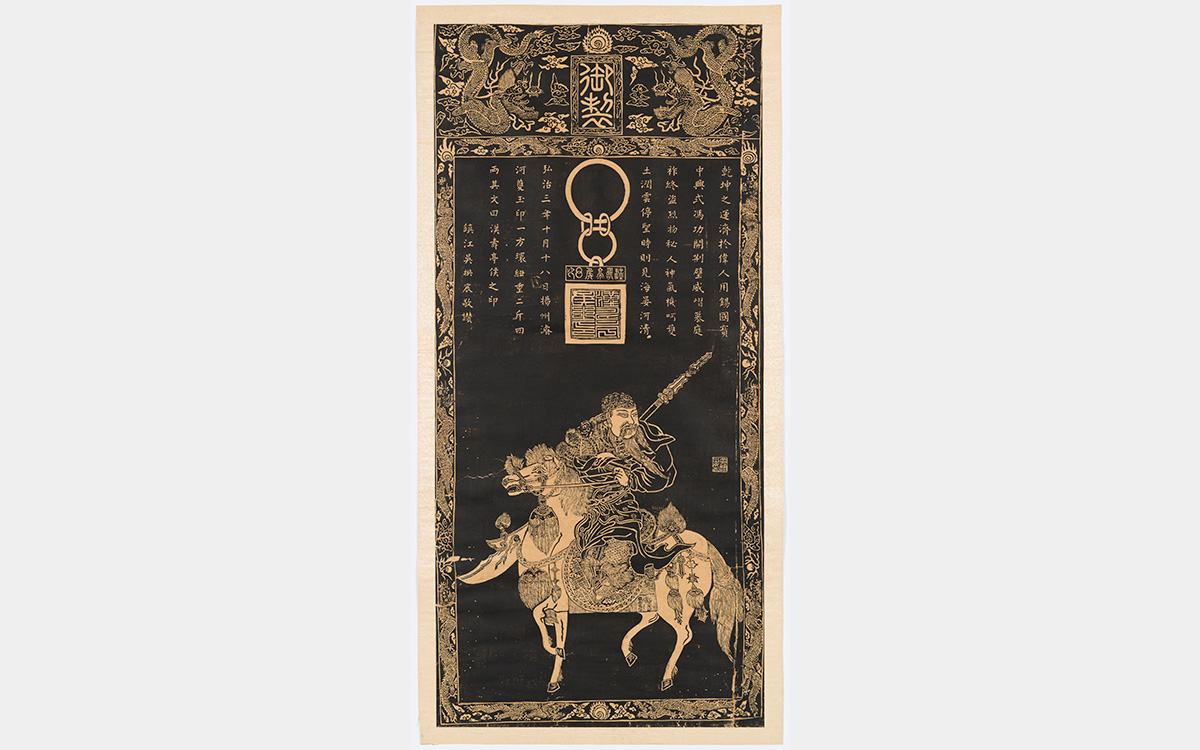
Guan Yu on Horseback, China, Ming dynasty (1368–1644), hanging scroll, ink on paper, Gift of Lucille Dixon, 2019.300
Horse depictions were common in paintings featuring mounted figures ranging from emperors to foreign hunters and legendary heroes. Being depicted on a horse signified the rider’s prowess and, with the addition of special trappings, often relayed their status to the viewer. This rubbing of a Ming dynasty (1368–1644) stone carving depicting legendary warrior Guan Yu (162–219) follows in this tradition. Commemorating the discovery of a seal with Guan Yu’s title on it, the stone stele depicts the general atop his favorite horse Chitu (Reddish Rabbit).
Related Blog Posts

Cincinnati, OH 45202
Toll Free: 1 (877) 472-4226
Museum Hours
Museum Shop
Terrace Café
Library
Cincinnati Art Museum is supported by the tens of thousands of people who give generously to the annual ArtsWave Campaign, the region's primary source for arts funding.

Free general admission to the Cincinnati Art Museum is made possible by a gift from the Rosenthal Family Foundation. Exhibition pricing may vary. Parking at the Cincinnati Art Museum is free.
Generous support for our extended Thursday hours is provided by Art Bridges Foundation’s Access for All program.

General operating support provided by: