When AI uses ART IP
by Bruce Petrie, Chair, Board of Trustees
3/16/2026
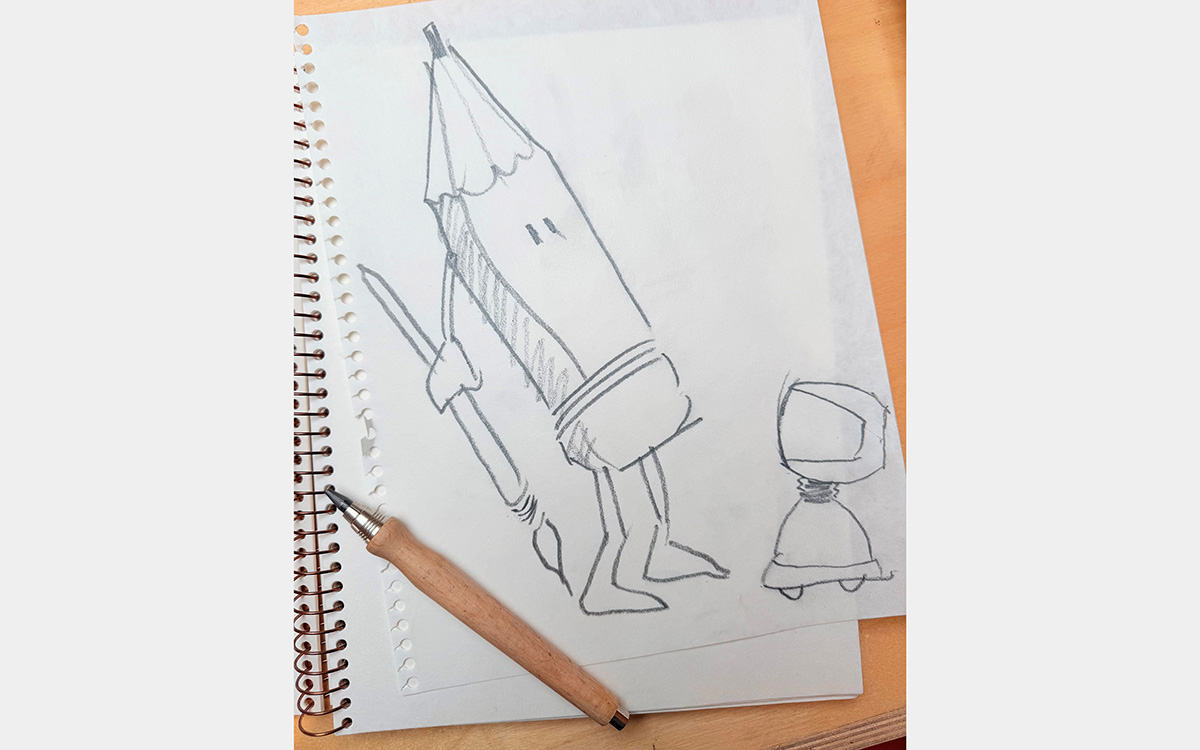
When an artist or arts organization has intellectual property rights (aka, “IP”) for images, can non-human artificial intelligence legally use these images without the consent of the owner of the IP?
Let’s first clarify a few terms. “Arts IP” is defined here as a legal property right, a copyright, owned by an individual maker or arts organization that created a work of art or image. Another key word is “use,” that is, what uses of the work are legally okay (aka, “non-infringing use”) and which are not (aka, “infringement”). In the law of IP, a variety of different uses may come into play: fair use, transformative use, derivative use, commercial use, and so on.
So, in thinking about AI’s use of Art IP, we ask: “what’s the use?”
Let’s run a simple example. An artist creates a painting which an art museum purchases. When the painting is sold the artist may or may not also sell the copyright, the IP rights, depending on the terms of the sales agreement. Let’s assume the artist retains the copyright but also agrees to license the copyright to the museum for certain uses.
Next, using AI lingo here, let’s assume a non-human artificial intelligence “scrapes” a copy of the image from say the websites of the artist and the museum and adds it to a digital “lake” of scraped images which AI then uses for commercial purposes for its own profit, without permission.
Pause here for a point about digital imagery. In your mind’s eye imagine that the 30,000-year history of art is a single day. Digital imagery’s timeframe is about a second. Yet the technology of digitizing imagery, that is, the ability to digitize pictures of an enormous body of created work, has revolutionized the twenty-first century context for Arts IP.
A digitized image opens the door to all sorts of uses because the non-human AI user can now select, break up, transform, and derive. So, for example, AI can, like a jigsaw puzzle, break up a digital image of say a still life into apples and oranges, and use the pieces in countless ways. A Cézanne apple might find its way into an AI-generated illustration used on labels for kid’s applesauce. If a work is made entirely by AI, without any human involvement, the work cannot be copyrighted because it is not by a human.
So, you may think, well, maybe that’s okay because AI is only deriving part of the original work and transforming it into a new use. But here’s where the legal complexity of AI starts.
The most important recent Supreme Court decision about “fair use” of a copied photograph involved a photo by the photographer Lynn Goldsmith of the singer Prince that Andy Warhol used to create artwork. The Court ruled in favor of the copyright-owning photographer, saying the Warhol print was an infringing use, not a fair use. The most important factor for the Court was that the Warhol use was for commercial purposes without any money going to the copyright holder. Less important for the Court was the defense’s claim that its use was derivative and transformative of the original photo.
So, in Arts IP, a legal principle is that if the use of a copyrighted image is mainly for the commercial use of the infringing user, the use may be unfair. Consider now how this principle may apply to a non-human AI engine that is gobbling up copyrighted imagery from the internet and re-purposing it for profit without paying the owner.
Whether artificial intelligence is used for good or ill depends partly on understanding the uses and their purposes. Using non-human AI for profit by third parties at the expense of the legal rights of those working in the creative arts isn’t intelligent. It’s wrong.

Cincinnati, OH 45202
Toll Free: 1 (877) 472-4226
Museum Hours
Museum Shop
Terrace Café
Library
Cincinnati Art Museum is supported by the tens of thousands of people who give generously to the annual ArtsWave Campaign, the region's primary source for arts funding.

Free general admission to the Cincinnati Art Museum is made possible by a gift from the Rosenthal Family Foundation. Exhibition pricing may vary. Parking at the Cincinnati Art Museum is free.
Generous support for our extended Thursday hours is provided by Art Bridges Foundation’s Access for All program.

General operating support provided by: